
An 1874 lighthouse and maritime museum on Anastasia Island.
All Places
Showing Places 1-18 of 19
The Ximenez-Fatio House, built in 1798, interprets St. Augustine's boarding-house era.
Villa Zorayda is an 1883 Moorish Revival house built as a one-tenth scale replica of part of the Alhambra.
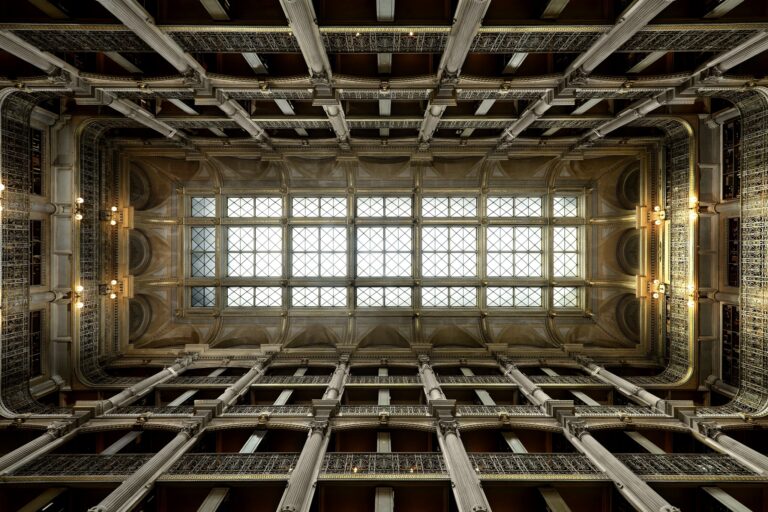
The St. Johns County Main Library in St. Augustine is the system's central library, with local history collections.
The St. Augustine Art Association, founded in 1924, runs a gallery and art education programs in the historic district.
The St. Augustine Amphitheatre is a 4,000-seat outdoor concert venue built in a former coquina quarry.
The González-Alvarez House is the oldest surviving Spanish colonial dwelling in Florida.
The Governor's House Cultural Center & Museum, run by the University of Florida, presents the colonial history of St. Augustine on the site of the Spanish governor's residence.
Fort Matanzas is a 1742 Spanish coquina watchtower fort reached by ferry.
Ponce de Leon Hall, Henry Flagler's 1888 hotel, is now Flagler College and offers historic tours.
The Cathedral Basilica of St. Augustine, completed in 1797, is the seat of the oldest Catholic parish in the United States.
The Castillo de San Marcos, completed in 1695, is the oldest masonry fort in the continental United States.
The St. Photios Greek Orthodox National Shrine commemorates the first Greek colonists in America, who arrived in 1768.
The St. Augustine Pirate & Treasure Museum displays authentic pirate artifacts and treasure.
Mission Nombre de Dios marks the 1565 founding site of St. Augustine and is home to the National Shrine of Our Lady of La Leche.
The Lincolnville Museum and Cultural Center tells 450 years of African American history in St. Augustine.
The Lightner Museum is in the 1888 Hotel Alcazar and holds Gilded Age decorative arts.
Fort Mose was the first legally sanctioned free Black settlement in what is now the United States.