Eureka! The National Children’s Museum in Halifax, West Yorkshire, England, opened on July 9, 1992. Designed by architect Noel Williams, the museum is housed in a historic railway station. Eureka! is dedicated to inspiring children aged 0-11 through interactive learning experiences. Popular exhibits include the SoundSpace, where kids can experiment with music and sound, and the All About Me gallery, which explores the human body and health.

The Merseyside Maritime Museum is part of the National Museums Liverpool group in Liverpool, UK. It delves into Liverpool’s maritime history, encompassing its role in the transatlantic slave trade, emigration, naval warfare, and cultural exchanges through exhibitions and collections.

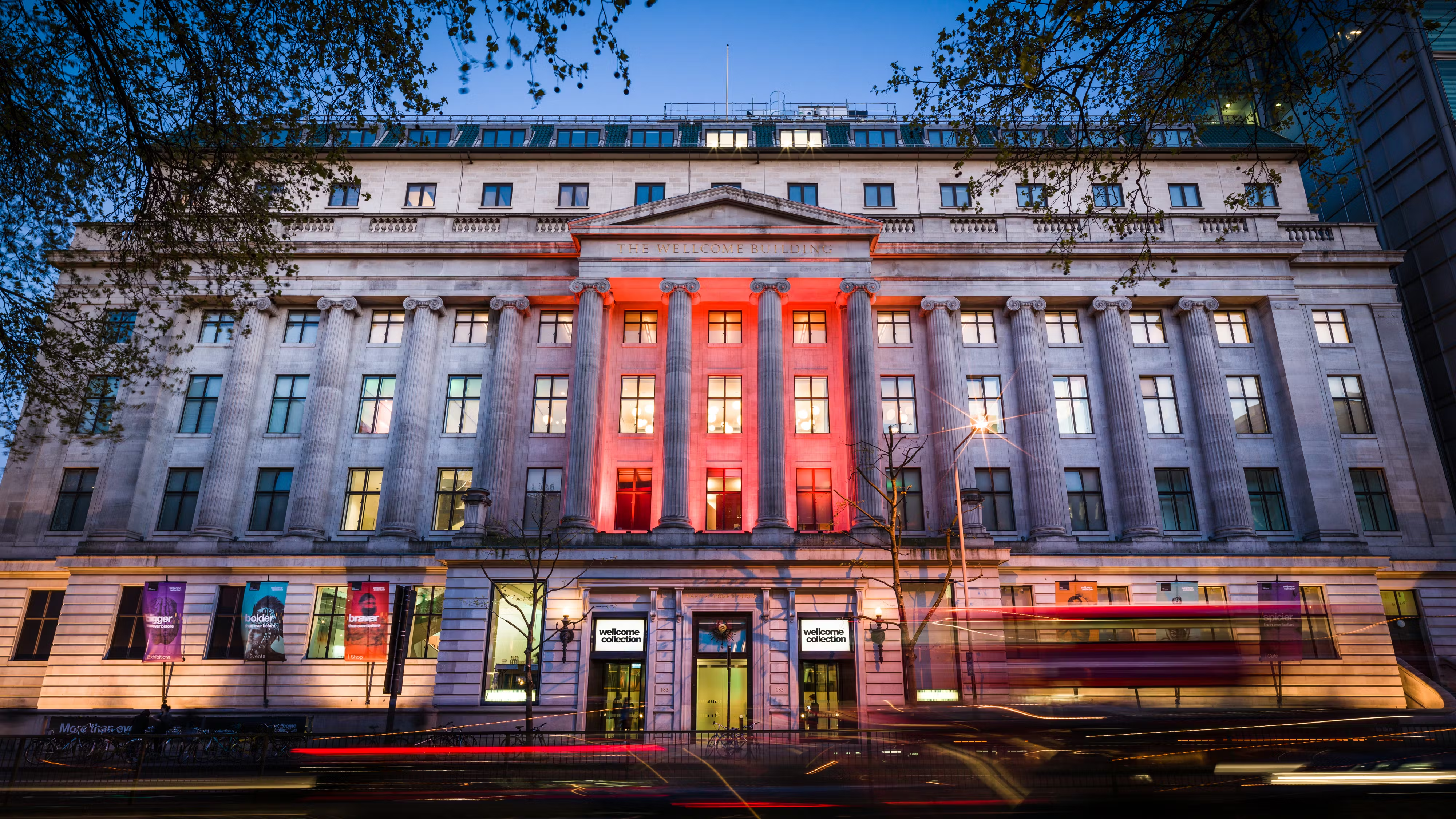
Opened in 2007, located in Euston. It explores the connections between medicine, life, and art, featuring exhibits on medical history, contemporary art, and interactive displays.

Bishopsgate Institute Special Collections and Archives document the experiences of everyday people, and the extraordinary individuals and organisations who have strived for social, political, and cultural change.

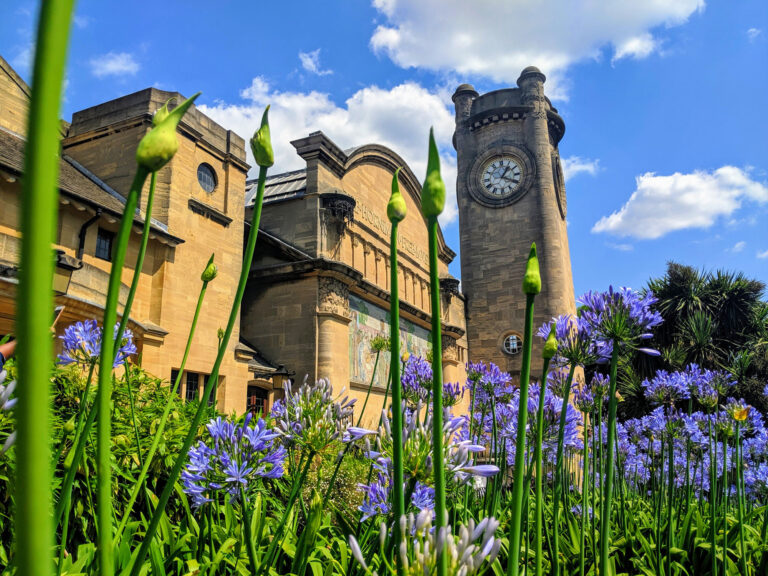
Established in 1901, located in Forest Hill. It features exhibits on anthropology, natural history, and musical instruments, along with beautiful gardens and an aquarium.

Opened in 1925, located in Bloomsbury. Housed in the former home of Charles Dickens, it features exhibits on the author’s life, works, and Victorian London.

Founded in 2004, located in Bloomsbury. It tells the story of the Foundling Hospital, the UK’s first children’s charity, featuring art collections and exhibits on the history of child welfare.

Established in 1914, located in Hoxton. It explores the history of English domestic interiors from the 1600s to the present day, featuring period room displays and gardens.

This gallery is an architectural gem, combining a neoclassical facade with modern extensions. Visit the National Gallery.

We are a non-ministerial department, and the official archive and publisher for the UK Government, and for England and Wales. We are the guardians of over 1,000 years of iconic national documents.

Opened in 1837, located in Lincoln’s Inn Fields. Housed in the former home of architect Sir John Soane, it features his collection of art, antiquities, and architectural models.

The Natural History Museum in London, England, opened on April 18, 1881. Designed by Alfred Waterhouse, the building is a masterpiece of Romanesque architecture, featuring ornate terracotta facades and a grand Central Hall. The museum’s collection includes approximately 80 million items, ranging from fossils and minerals to animal specimens and human artifacts. Notable exhibits include the iconic blue whale skeleton in the Hintze Hall and the Darwin Centre, which offers behind-the-scenes access to the museum’s scientific research.

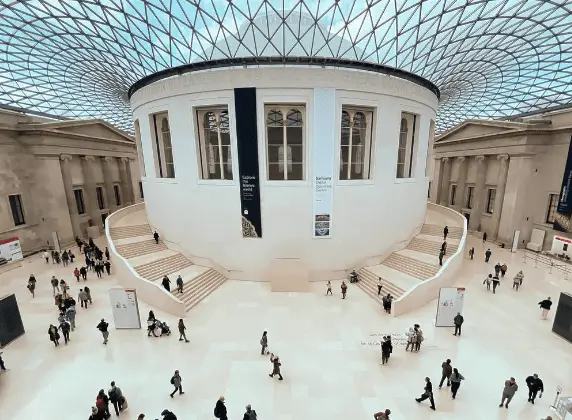
The British Museum in London, UK, was established in 1753. Its Greek Revival facade was designed by Robert Smirke. The museum’s Great Court, a modern addition by Norman Foster, features a stunning glass and steel roof. It houses a vast collection of world art and artifacts.

When Tate opened its doors to the public in 1897, it had just one site, displaying a small collection of British artworks. Today, we have four major sites, a national collection of British art from 1500 to the present day, and international modern and contemporary art, which includes nearly 70,000 artworks.

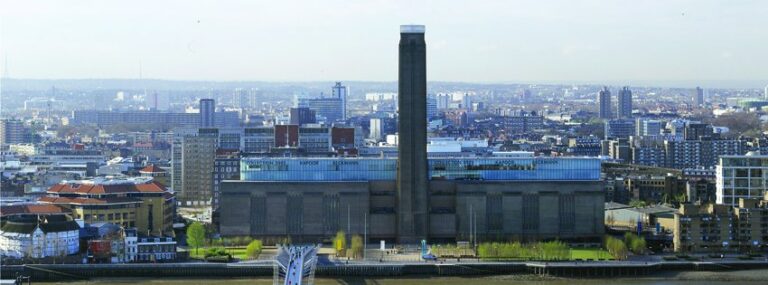
See some of the world’s most exciting modern and contemporary art at Tate Modern. Enjoy innovative works that have shaped art as we know it. Our gallery is free to visit. On display are paintings, sculptures and large-scale installations from artists around the world including Pablo Picasso, Yayoi Kusama and Henri Matisse. Explore the iconic Turbine Hall alongside our underground Tanks, a striking space dedicated to live performances and video.

Known for its modern red-brick design by Colin St John Wilson, it’s a landmark of contemporary architecture. Visit The British Library.

The Serpentine Sackler Gallery, located in London, UK, is an extension of the renowned Serpentine Galleries. Designed by Zaha Hadid and opened in 2013, the gallery’s renovation and expansion transformed a former gunpowder store into a modern art space. Hadid’s design integrates contemporary architectural elements with the historic structure, providing new exhibition spaces for contemporary art and architecture exhibitions.