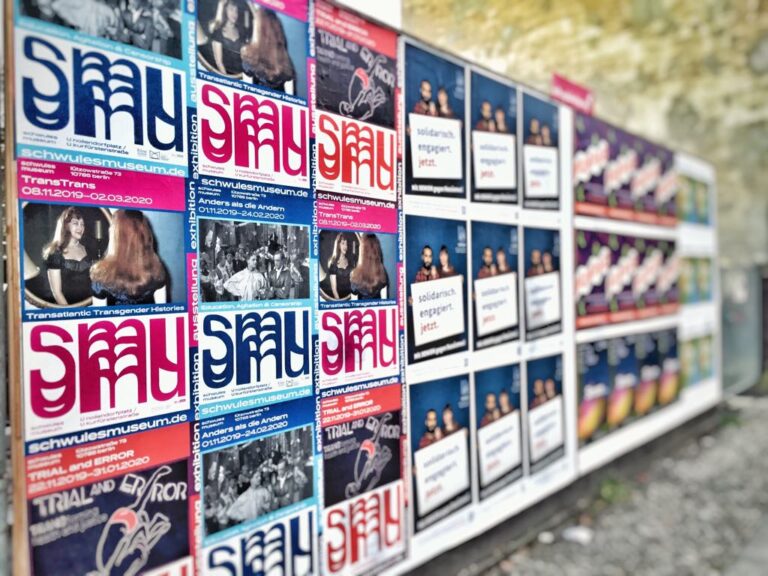
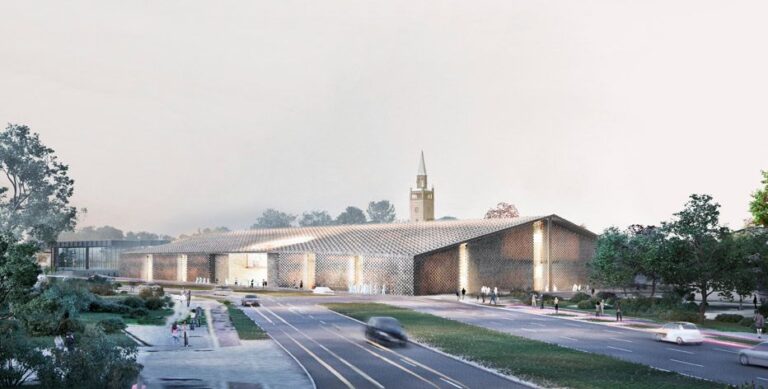
The Schwules Museum (SMU) was founded in 1985 to provide a home for the history and culture of gay men and their emancipation movement, narratives that have been devalued and excluded by mainstream society’s museums and archives. It aims to house artistic works, life testimonies, and the documentation of social movements. Since then, the institution has evolved: Today, the SMU stands as the most important international center for researching, preserving, and presenting the culture and history of queer individuals, sexual and gender diversity, and is a sought-after collaborative partner for museums, universities, cultural support institutions, artists, and activists from around the world.

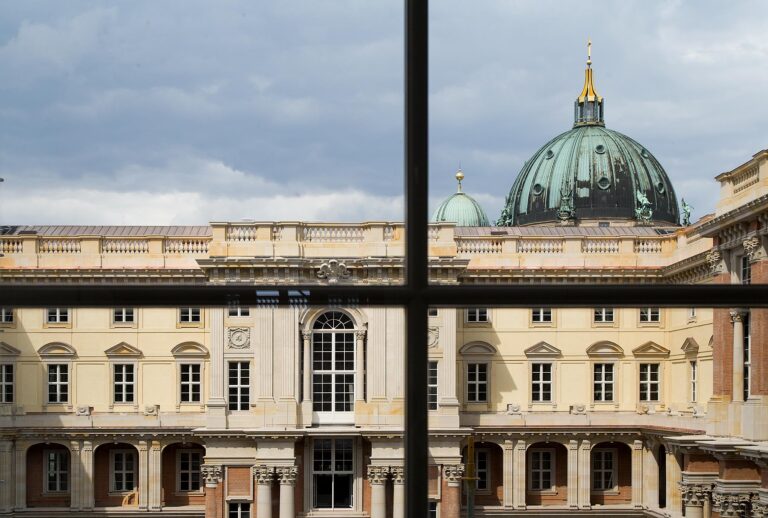
With its numerous institutions that have evolved over generations, the Staatliche Museen zu Berlin constitutes an encyclopaedic museum, spread over many different sites, that aims to preserve, research, and display art treasures and cultural artefacts dating from all human history, and educate the public about their importance. The Staatliche Museen zu Berlin’s collections encompass the fields of European and non-European art, archaeology and ethnology from virtually all nations, cultures, and periods.

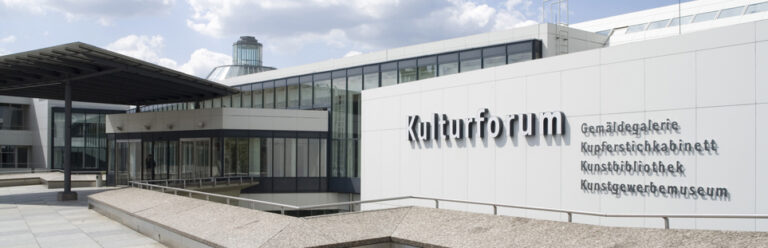
The Kulturforum is a collection of cultural buildings in Berlin. It was built up in the 1950s and 1960s at the edge of West Berlin, south of the Tiergarten, after most of the once unified city’s cultural assets had been lost behind the Berlin Wall. The Kulturforum is a platform for the Staatliche Museen zu Berlin’s collections of art and cultural artefacts from the European modern era (late Middle Ages to the present). They

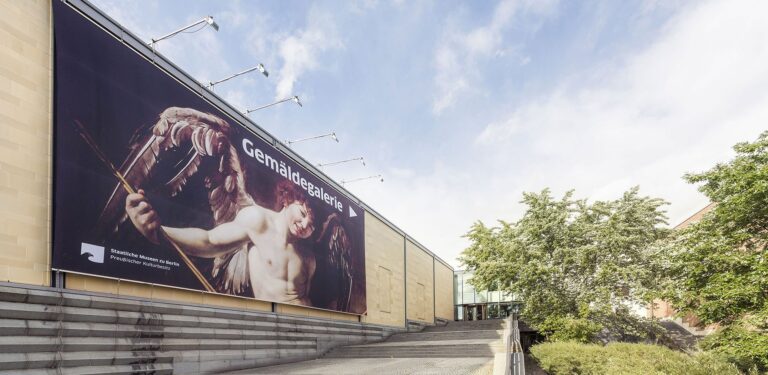
The Gemäldegalerie possesses one of finest collections of European art. The exhibition includes masterpieces by artists as van Eyck, Dürer, Raphael, Tizian, Caravaggio, Rubens, Vermeer and Rembrandt.

The Nationalgalerie (National Gallery) collection of 20th century art could only be exhibited in part until now. The new building will make it possible to present the collection permanently and contiguously. For this purpose, the new museum building will be connected structurally with the Neue Nationalgalerie. The new building will have a relationship with the existing spatial structure of the Kulturforum