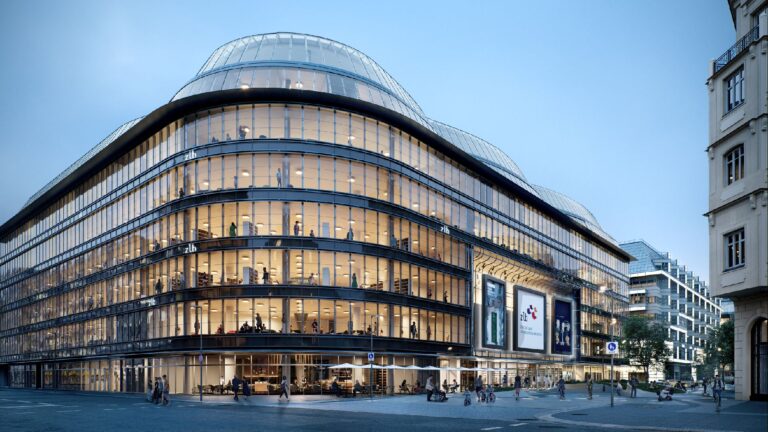
Plans are underway to construct a new central library building at Blücherplatz, with construction expected to start before 2025, aiming to consolidate services and provide a modern library experience.

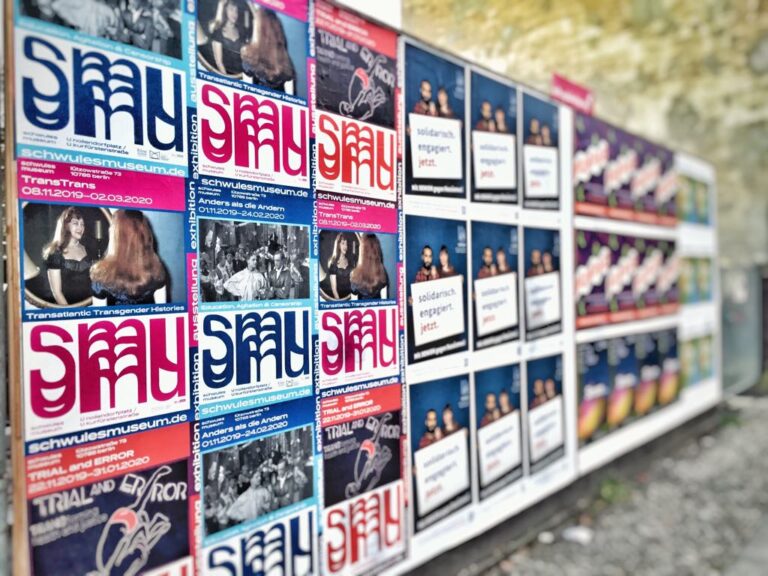
The Schwules Museum (SMU) was founded in 1985 to provide a home for the history and culture of gay men and their emancipation movement, narratives that have been devalued and excluded by mainstream society’s museums and archives. It aims to house artistic works, life testimonies, and the documentation of social movements. Since then, the institution has evolved: Today, the SMU stands as the most important international center for researching, preserving, and presenting the culture and history of queer individuals, sexual and gender diversity, and is a sought-after collaborative partner for museums, universities, cultural support institutions, artists, and activists from around the world.

Part of the National Gallery in Berlin, Germany, it features a significant collection of Picasso’s works, including paintings, drawings, and sculptures, alongside works by other modern artists.

The Museum für Naturkunde, located in Berlin, Germany, was founded in 1810 and opened to the public in 1889. The museum’s original building, designed by architects August Tiede and Adolf Lohse, features a neoclassical design. The museum’s collection includes over 30 million objects, with notable exhibits such as the world’s largest mounted dinosaur skeleton, Giraffatitan brancai, and the Wet Collection, containing thousands of preserved specimens.

With its numerous institutions that have evolved over generations, the Staatliche Museen zu Berlin constitutes an encyclopaedic museum, spread over many different sites, that aims to preserve, research, and display art treasures and cultural artefacts dating from all human history, and educate the public about their importance. The Staatliche Museen zu Berlin’s collections encompass the fields of European and non-European art, archaeology and ethnology from virtually all nations, cultures, and periods.

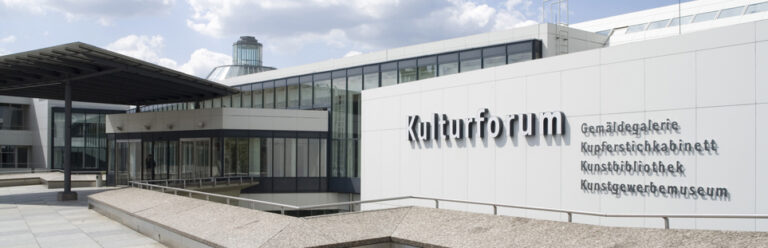
The Kulturforum is a collection of cultural buildings in Berlin. It was built up in the 1950s and 1960s at the edge of West Berlin, south of the Tiergarten, after most of the once unified city’s cultural assets had been lost behind the Berlin Wall. The Kulturforum is a platform for the Staatliche Museen zu Berlin’s collections of art and cultural artefacts from the European modern era (late Middle Ages to the present). They

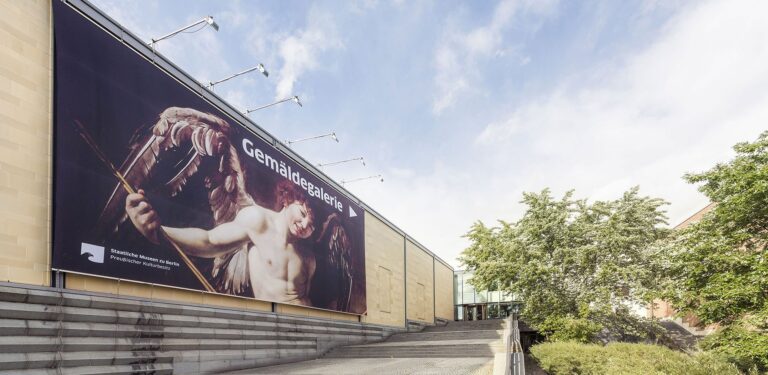
The Gemäldegalerie possesses one of finest collections of European art. The exhibition includes masterpieces by artists as van Eyck, Dürer, Raphael, Tizian, Caravaggio, Rubens, Vermeer and Rembrandt.

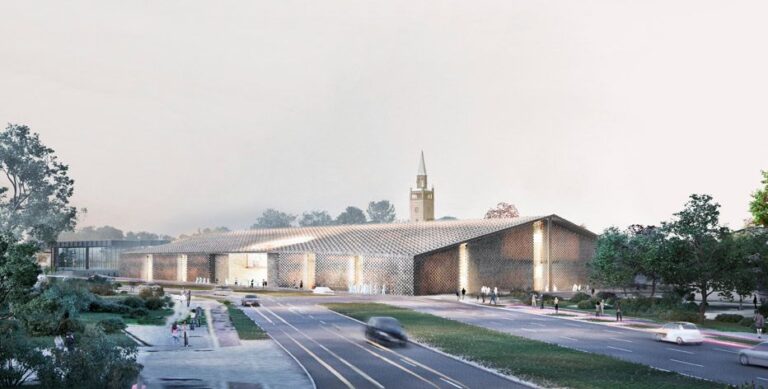
The Nationalgalerie (National Gallery) collection of 20th century art could only be exhibited in part until now. The new building will make it possible to present the collection permanently and contiguously. For this purpose, the new museum building will be connected structurally with the Neue Nationalgalerie. The new building will have a relationship with the existing spatial structure of the Kulturforum

Based in Cologne, Germany, the Museum Ludwig houses one of the largest Picasso collections in Europe, with over 900 works. The collection includes paintings, drawings, and sculptures, providing a broad view of his artistic evolution.

Established in 1955, located in Ulm, Germany. It showcases the history of bread and its cultural significance, featuring over 18,000 artifacts, including tools, art, and literature related to bread-making.

The Marta Herford Museum, located in Herford, Germany, opened on May 7, 2005. Gehry’s design for this contemporary art museum features bold, sculptural forms and a dynamic roofline. The museum’s collection focuses on contemporary art, design, and architecture, with Gehry’s architecture creating an inspiring environment for the display of cutting-edge artworks and exhibitions.

Established in 1973, located in Munich, Germany. The museum, designed by Karl Schwanzer, showcases the history and development of the BMW brand with a diverse collection of cars, motorcycles, and engines, along with interactive exhibits and multimedia presentations.

The Kunstmuseum Pablo Picasso Münster in Germany opened in 2000; this museum is dedicated to Picasso’s lithographs and features over 800 pieces, including rare prints and unique works on paper.

Germany’s oldest railway museum, it showcases the country’s rail history from the 1835 Adler locomotive to modern high-speed trains. The museum also features a large model railway.

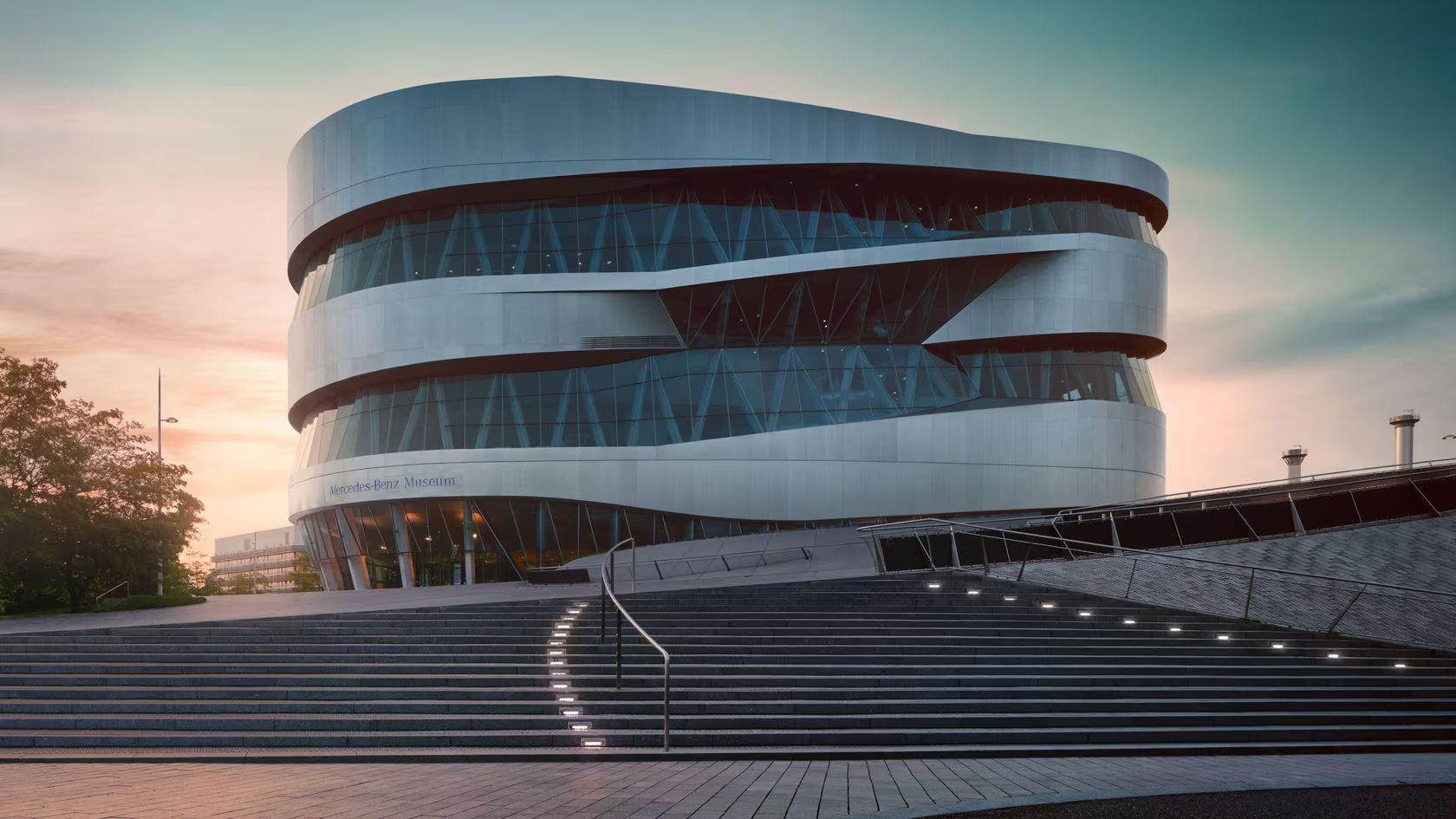
Opened in 2006, located in Stuttgart, Germany. Designed by UNStudio, this museum traces the 130-year history of the Mercedes-Benz brand, featuring 160 vehicles and over 1,500 exhibits that highlight the evolution of automotive technology and design.

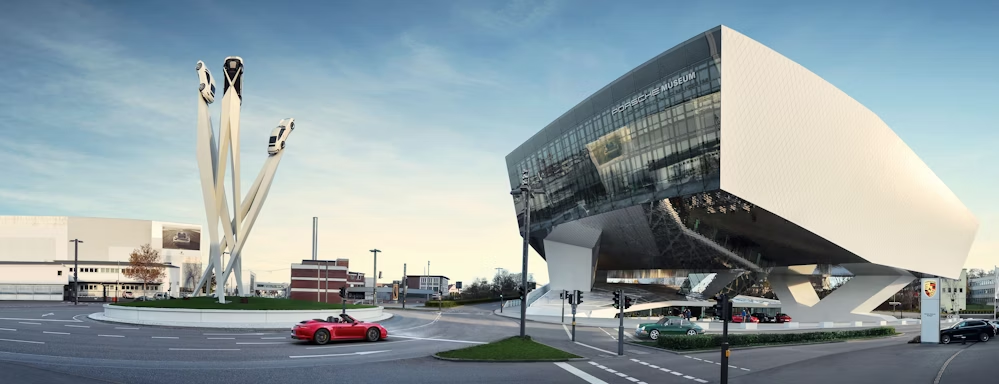
Opened in 2009, located in Stuttgart, Germany. Designed by Delugan Meissl, the museum features over 80 vehicles and numerous exhibits that highlight Porsche’s storied history, from its early designs to its latest innovations.

Designed by Yi Architects, this minimalist cube is stunningly illuminated at night, creating a beacon of knowledge. Visit Stuttgart City Library.

The Wiblingen Abbey Library in Ulm, Germany, was completed in 1744 and designed by Christian Wiedemann. The library is a masterpiece of Rococo architecture, featuring stunning frescoes and stucco work. It is part of the historic Wiblingen Abbey, a former Benedictine monastery.