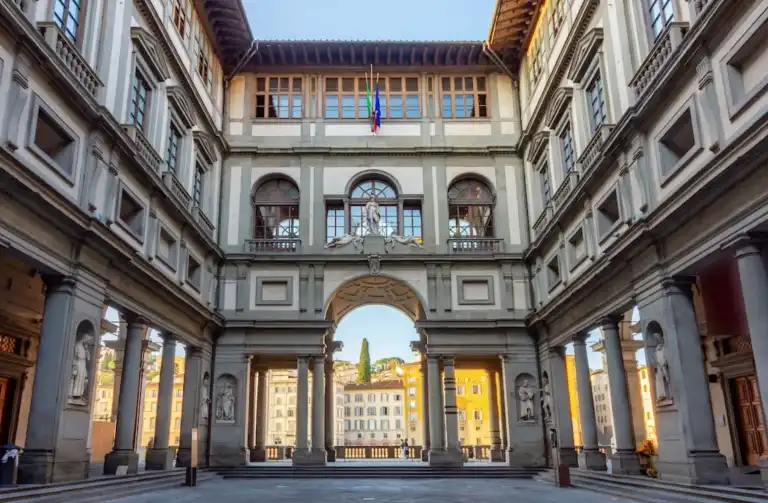
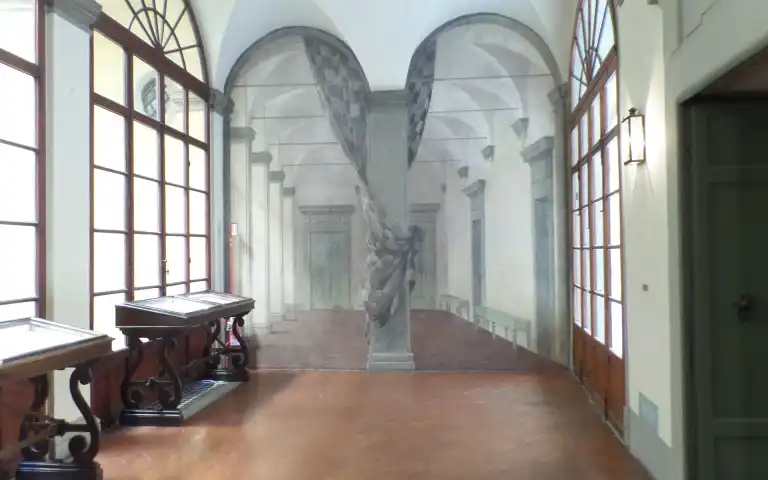
The Uffizi Gallery, located in Florence, Italy, is one of the most renowned art museums in the world, housing an extensive collection of masterpieces from the Italian Renaissance. Famous works by artists such as Botticelli, Michelangelo, and Leonardo da Vinci are showcased within its historic halls, offering a journey through centuries of artistic achievement. As a cultural landmark, the Uffizi attracts millions of visitors each year, making it an essential destination for art lovers and historians alike.

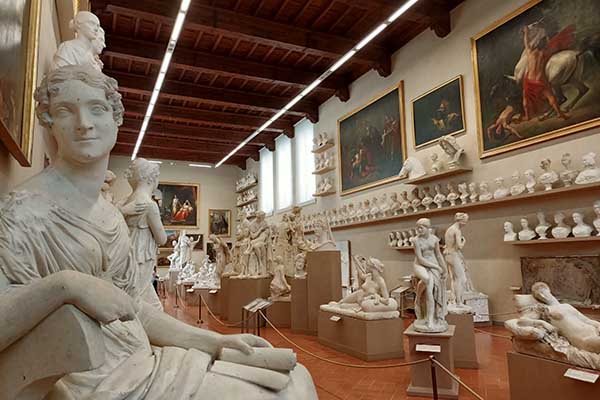
Opened in 1784, located near Piazza San Marco. This gallery is best known for Michelangelo’s iconic statue of David. The museum also features other works by Michelangelo, as well as Renaissance paintings and musical instruments.

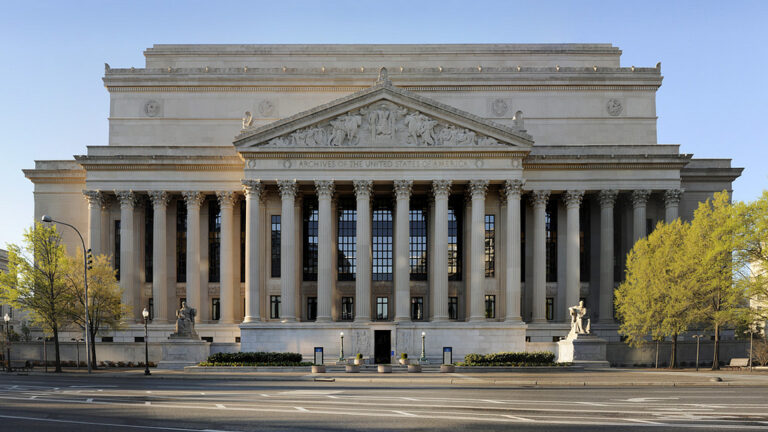
The HAEU preserves and makes accessible for research the archives deposited by EU institutions according to the thirty-year rule governing access to archival material. It also collects and preserves private papers of individuals, movements and international organisations involved in European integration. Finally, it facilitates research on the history of the European Union, promotes public interest in European integration and enhances transparency in the functioning of EU Institutions.

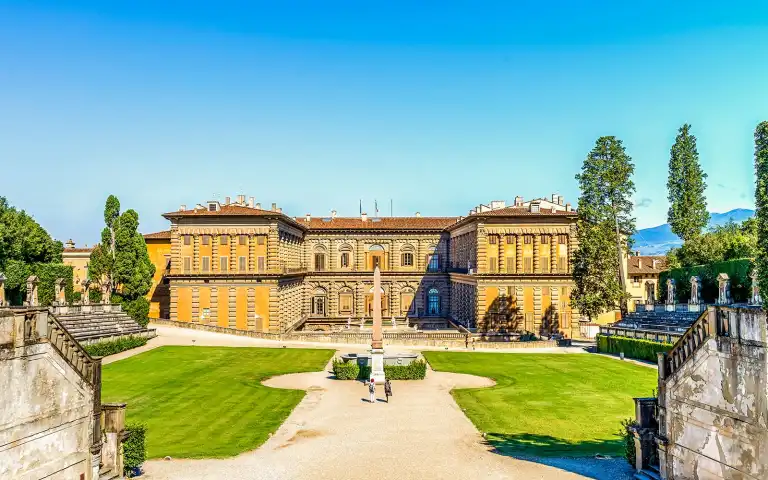
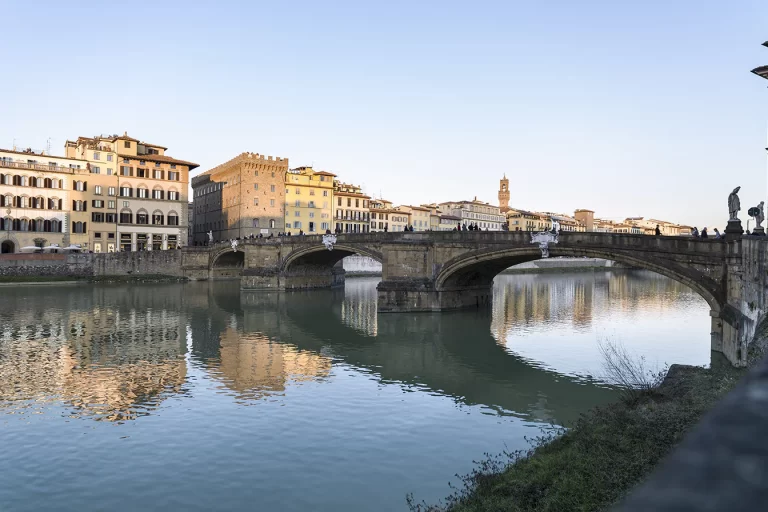
Opened in 1919, designed by Filippo Brunelleschi, and located on the south bank of the Arno River. This grand palace houses several museums, including the Palatine Gallery with works by Raphael and Titian, and the Gallery of Modern Art. The Boboli Gardens are also a highlight.

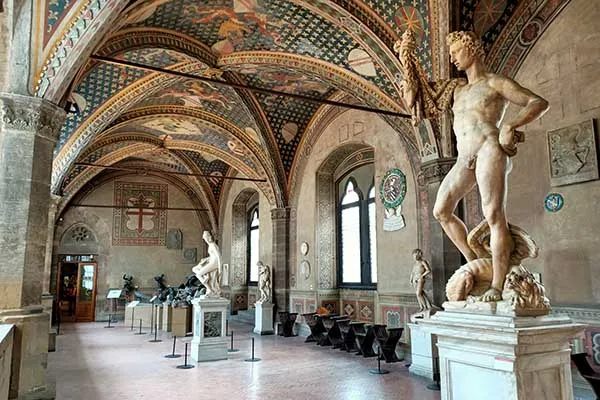
The museum, opened in 1865, is located in Palazzo del Bargello. It is dedicated to sculpture and features works by Michelangelo, Donatello, and Cellini. The former barracks and prison building add to the museum’s historic charm.

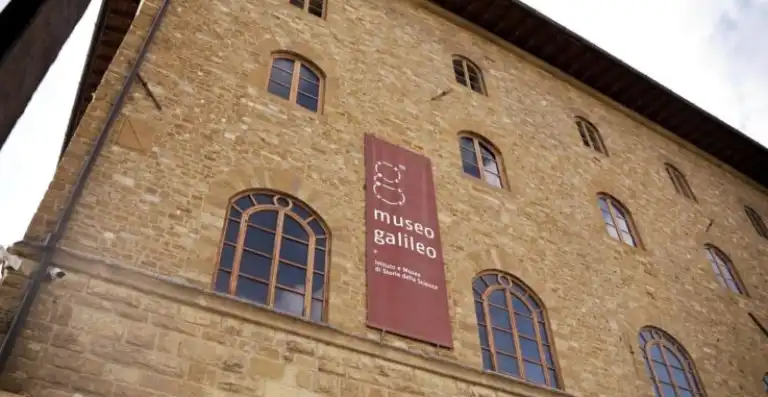
Opened in 1930, located near the Uffizi. This museum is dedicated to the history of science, showcasing instruments, and artifacts from Galileo’s time. Highlights include Galileo’s telescopes and other pioneering scientific instruments.

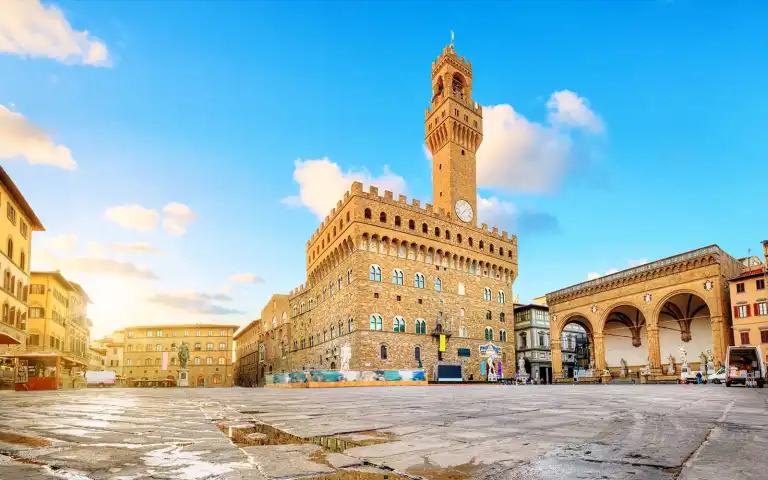
Opened as a museum in 1872, designed by Arnolfo di Cambio, and located in Piazza della Signoria. The museum features historic rooms, including the grand Hall of the Five Hundred, and frescoes by Vasari. It offers insights into Florence’s political history.

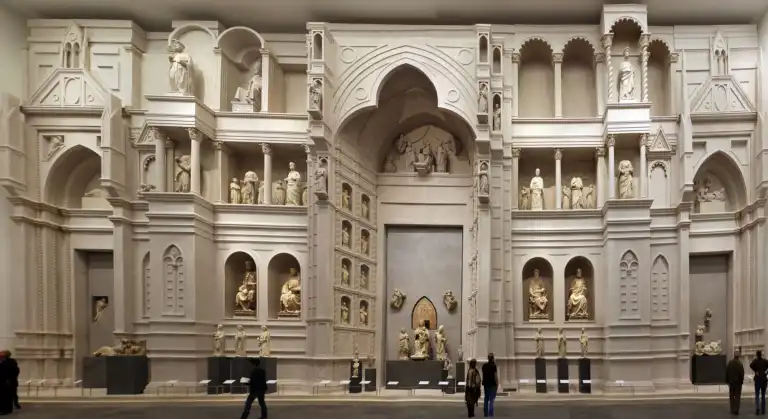
Opened in 1891, located near the Florence Cathedral. This museum houses the original sculptures and artworks from the Cathedral, Baptistery, and Bell Tower. Notable pieces include Michelangelo’s Pietà and Ghiberti’s Gates of Paradise.

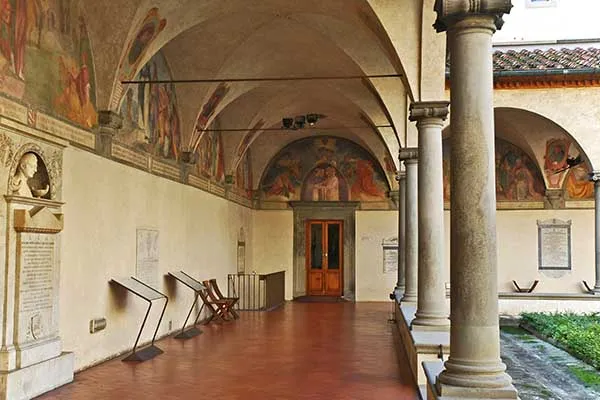
Opened in 1869, located in Piazza San Marco. This museum, housed in a former Dominican convent, features works by Fra Angelico, including his renowned frescoes. The serene cloisters and cells offer a glimpse into monastic life.

Located in Palazzo Spini Feroni in Florence, Italy, the Salvatore Ferragamo Museum opened in 1995. It preserves the historic essence of Ferragamo’s workshop and celebrates the innovative shoe designs of Salvatore Ferragamo, an icon of Italian fashion.

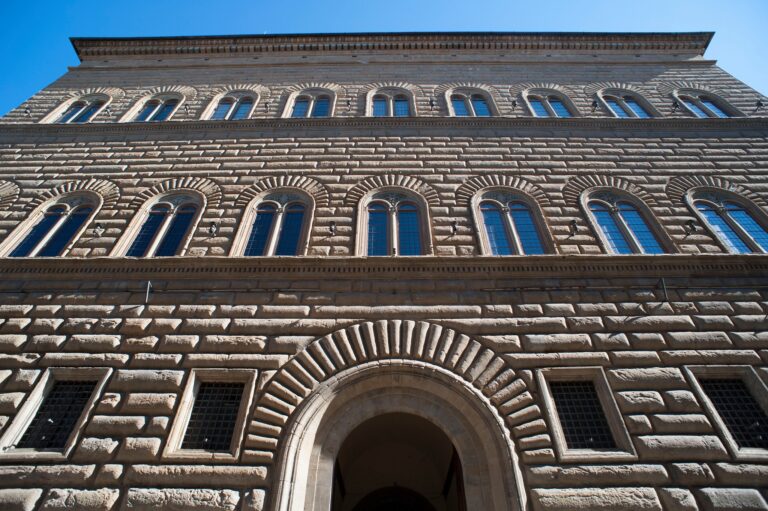
Opened in 1940, located in Piazza Strozzi. This Renaissance palace hosts rotating exhibitions of contemporary and classical art. Its grand courtyard and elegant architecture make it a cultural hub in Florence.

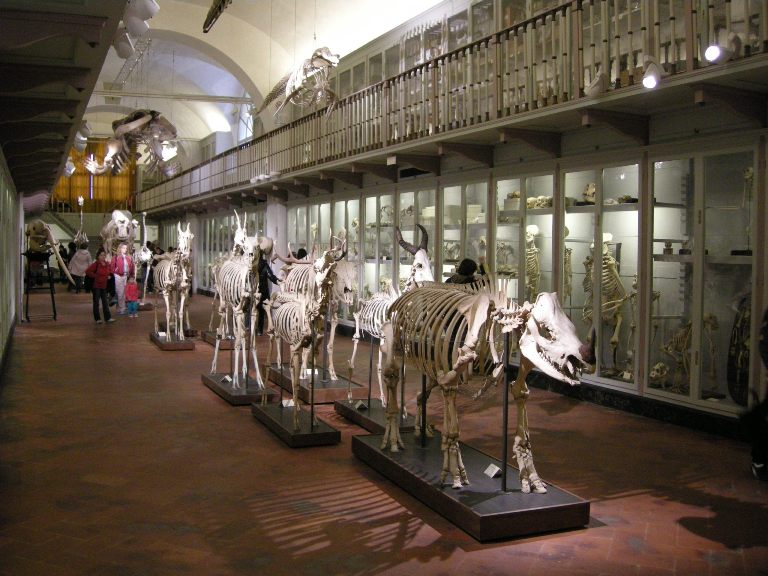
Opened in 1775, located in various sites in Florence. This museum is part of the University of Florence and features collections of minerals, fossils, and botanical specimens. It provides a comprehensive look at the natural world.

Opened in 1988, this museum is located in the former Church of San Pancrazio. It is dedicated to the works of the 20th-century Italian artist Marino Marini. The collection includes sculptures, paintings, and drawings.

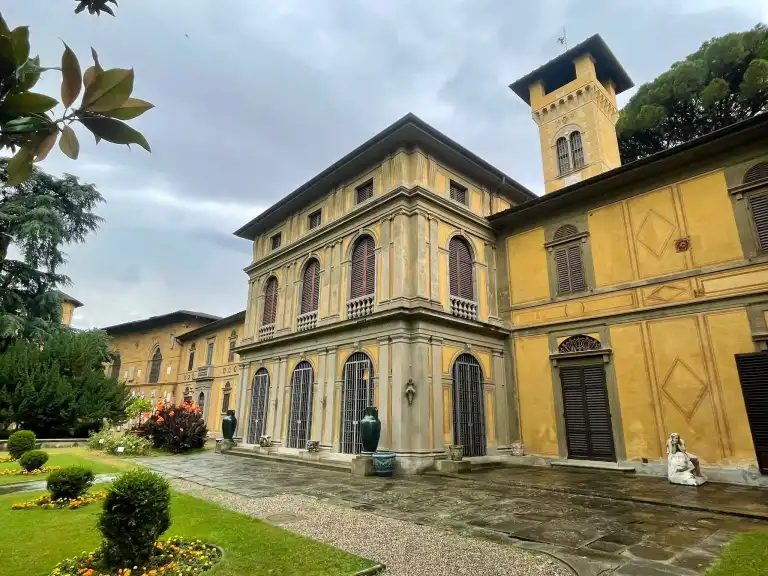
Opened in 1906, located on the outskirts of Florence. This eclectic museum features a vast collection of arms and armor, as well as artworks, costumes, and furnishings. The museum is set in a picturesque villa with beautiful gardens.

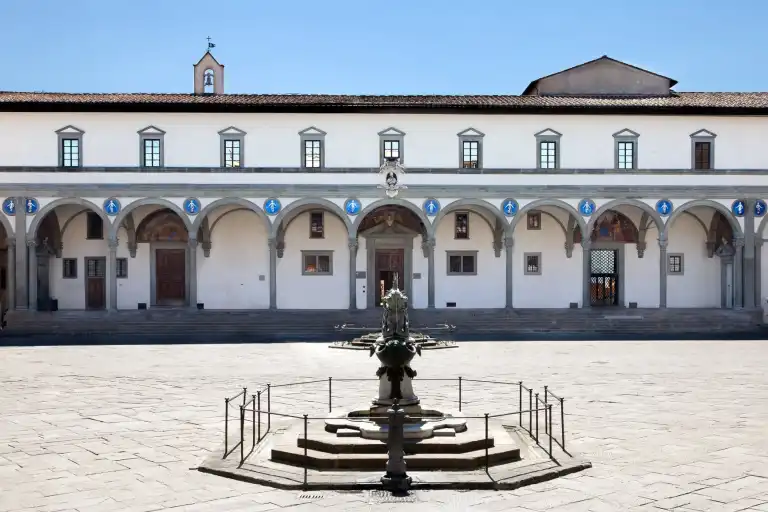
Opened in 1445, designed by Filippo Brunelleschi, and located in Piazza Santissima Annunziata. This museum is part of a historic orphanage and features artworks by Ghirlandaio and Botticelli. It also tells the story of the institution’s role in caring for abandoned children.

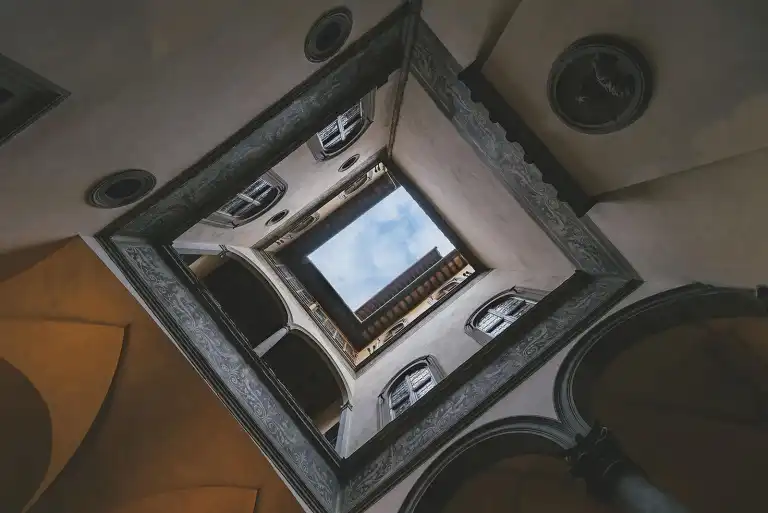
Opened in 1916, located in a Renaissance palazzo. This museum houses the art collection of English architect Herbert Horne, including works by Giotto, Masaccio, and Filippino Lippi. The palazzo itself is a masterpiece of Renaissance architecture.

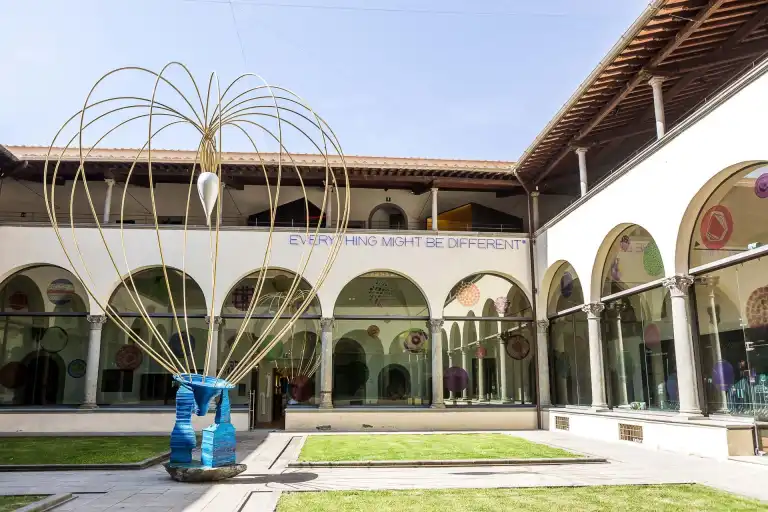
Opened in 2014, located in Piazza Santa Maria Novella. This museum is dedicated to 20th-century Italian art, featuring works by artists such as De Chirico, Morandi, and Pistoletto. The collection offers a comprehensive look at modern and contemporary art in Italy.

Opened in 2009, located in a historic Florentine palazzo. This museum features the art and furnishings of the Martelli family, showcasing their collection of paintings, sculptures, and decorative arts. The house itself is a beautifully preserved example of an aristocratic residence.