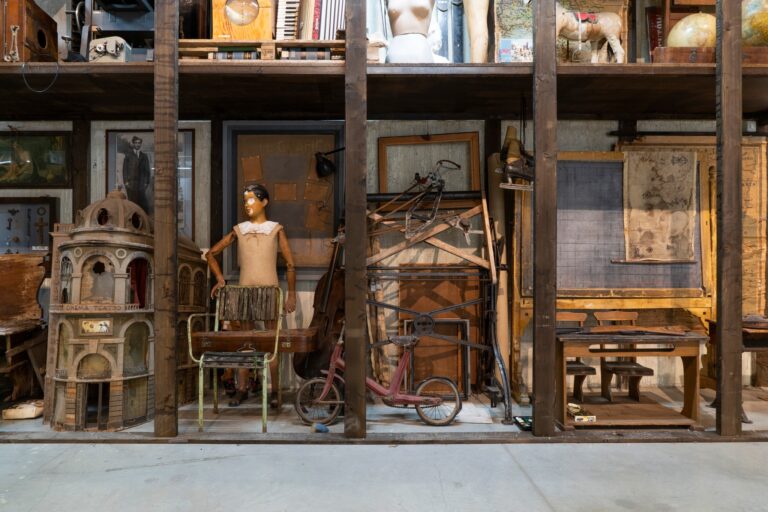
It opened in 2012 and is located in Anzola dell’Emilia, Italy. This museum explores the history of gelato, featuring historical gelato-making equipment, interactive exhibits, and gelato-tasting sessions.

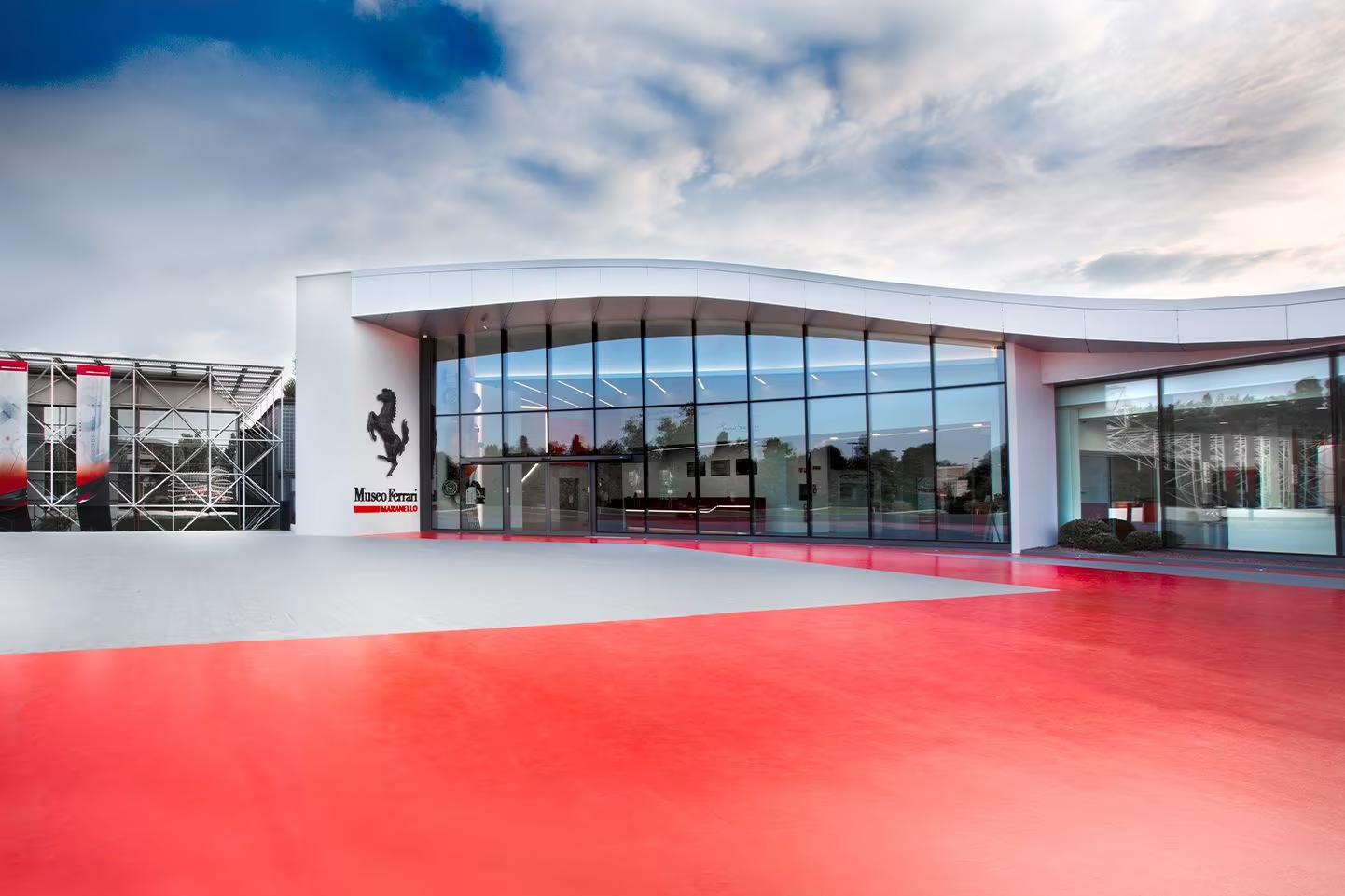
Established in 1990, located in Maranello, Italy. This museum showcases the history of Ferrari, featuring a stunning collection of sports cars, Formula 1 race cars, and memorabilia, along with exhibits on the brand’s engineering and design achievements.

Founded in 1946, located in Villa Spada. This museum showcases the history of textiles and upholstery, featuring fabrics, tools, and historical garments.

Opened in 1742, located at the University of Bologna. Features an extensive collection of anatomical wax models used for medical education and research.

Established in 1808, located in the University district. Features an impressive collection of Italian Renaissance and Baroque art, including works by Giotto, Raphael, and Titian.

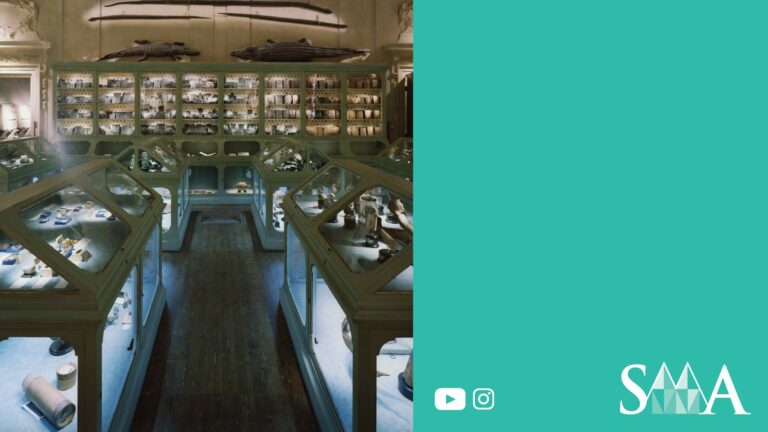
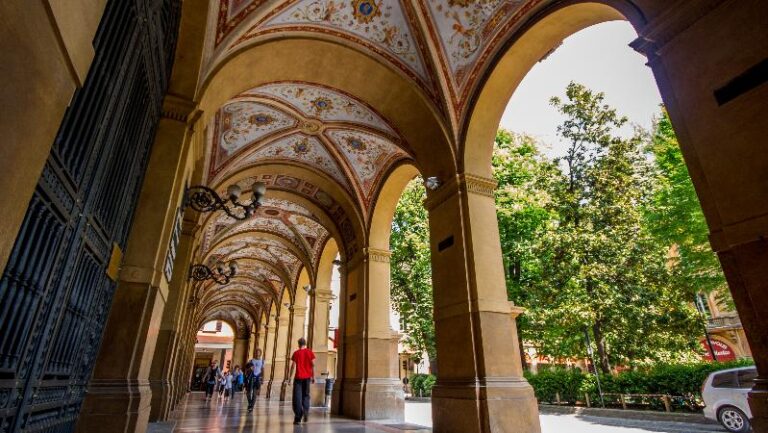
SMA is a network of fifteen museums, collections, and a digital museum belonging to the University of Bologna, the oldest university in the Western world. The University was founded in 1088. With almost one thousand years of history, it is one of the most prestigious universities in the world. Its diverse collections were born as a result of teaching and scientific research activities carried out since its foundation. SMA is an independent, self-governing institution aimed at promoting the fundamental cultural value underpinning the University heritage. The museums and collections differ in size, content, and character. Most of them are in the city center of Bologna, while the two collections related to the department of Veterinary Medicine are located in Ozzano dell’Emilia, 20 km from Bologna. Have a look at their location on the map.

The University Library Service (Servizio bibliotecario d’Ateneo – SBA) is the set of structures in charge of developing, managing, promoting and preserving the bibliographic and archival resources of the University of Milan and making them available to users. The SBA comprises: Â Â Â Â
- Â the libraries, which are responsible for the decentralised provision of services;
- the Digital Library, which handles the acquisition of electronic and digital resources and organises access to them;
- the SBA Management Office, which is responsible for the overall organisation and management of the University’s Library Service;
- scientific bodies that work alongside the SBA Management Office and the libraries providing consultancy and guidance: Library Scientific Committees, Disciplinary Area Scientific Committees, the Digital Library Scientific Board and the University Libraries Committee (Commissione d’Ateneo per le Biblioteche. CAB).

Do you know how scientists used to work in the 18th century? The Museum of Palazzo Poggi recreates the laboratories and collections belonging to the Institute of Sciences and Arts, which was once located in the same building. Here you will learn about the first experimental studies conducted by scientists at the Institute. After almost three centuries, the great frescoed rooms house the famous collections dedicated to geography and nautical science, military architecture, physics, natural history, chemistry, human anatomy and obstetrics, together with the collection belonging to the Aldrovandi Museum.

The Collection houses the instruments used for the experimental study of physics in the 19th and 20th centuries, which still have a fundamental scientific and historical value. Uncover the stories behind this collection, which includes instruments and documents that have been preserved by local scientific institutions in the last two centuries, but also new exhibits acquired in the last few years.

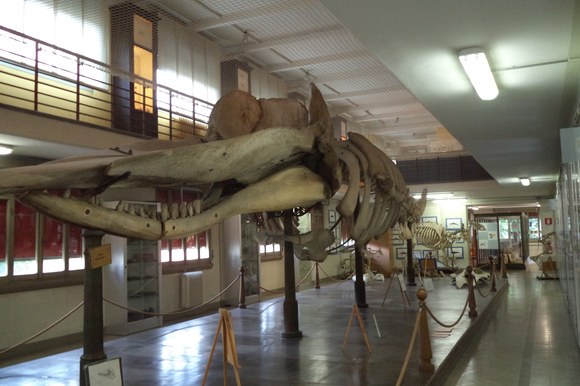
The Comparative Anatomy Collection exhibits preparations, skeletons and specimens which provide us documentary evidence on how vertebrates evolved across millions of years to adapt to new needs such as swimming, digging or running. You will be impressed by the gigantic skeleton of a 16-metre-long sperm whale!

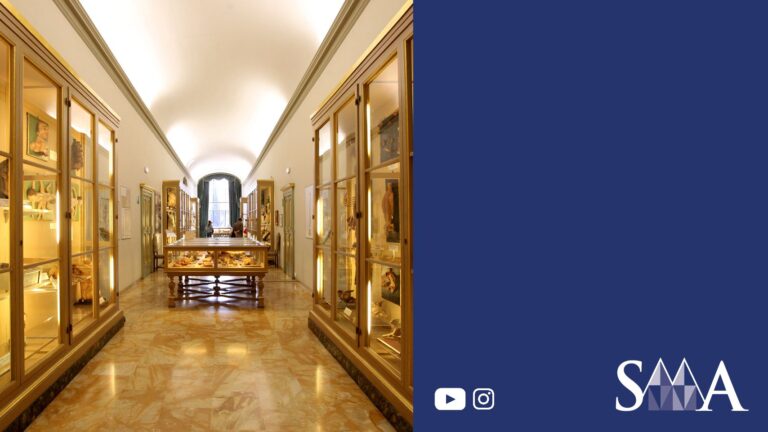
During the 18th and 19th centuries, medical scientists began to shift their attention from the study of human anatomy to that of pathology, in order to understand the cause and development of certain anomalies. They used wax to make models of the cases studied. You can see a collection of wax models and preparations which were used to study the human body and its pathologies. Enjoy the precise details of these scientific, historical and artistic treasures.

Opened in 2004, located in Palazzo Sanguinetti. Showcases a rich collection of musical instruments, manuscripts, and historical artifacts related to the history of music in Bologna.

Founded in 2007, located in the Manifattura delle Arti cultural district. This museum focuses on contemporary art, featuring works by Italian and international artists.

Established in 1711, located within the University of Bologna. This museum showcases the scientific collections and historical artifacts related to the university’s history and research.

Opened in 2012, located in Palazzo Pepoli. Offers an interactive journey through the history of Bologna, from its Etruscan origins to the present day.

Opened in 1998, located in Borgo Panigale. Celebrates the history of Ducati motorcycles, featuring vintage bikes, racing memorabilia, and exhibits on the brand’s technological innovations.

Established in 1860, located at the University of Bologna. Features an extensive collection of animal specimens, including rare and exotic species from around the world.

Opened in 1726, located in the Torre della Specola. This museum focuses on the history of astronomy and the scientific instruments used in astronomical research.