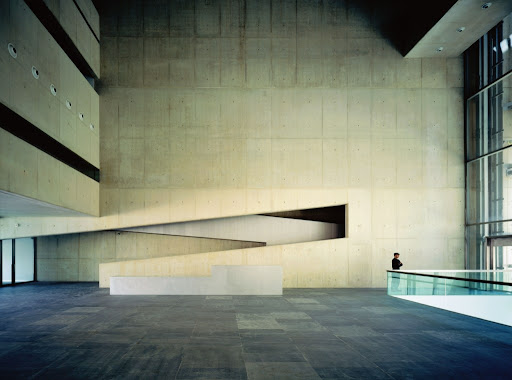
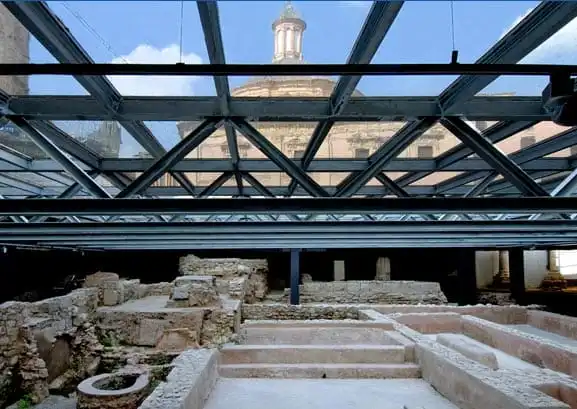
Opened in 2007, located near the Valencia Cathedral. This museum offers a fascinating look at the ancient history of Valencia, displaying artifacts from Roman, Visigothic, and Moorish periods. The museum is built over an archaeological site, allowing visitors to see the ruins in situ.
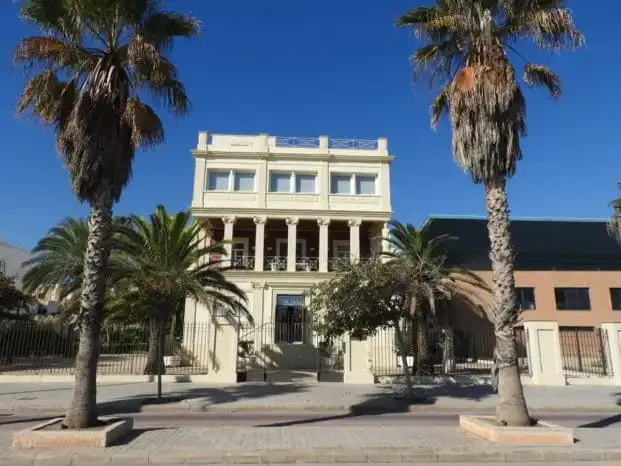
Opened in 1997, located in the Cabanyal district. This museum is dedicated to the life and work of Valencian writer Vicente Blasco Ibáñez. It features personal items, manuscripts, and memorabilia, set in his former home.

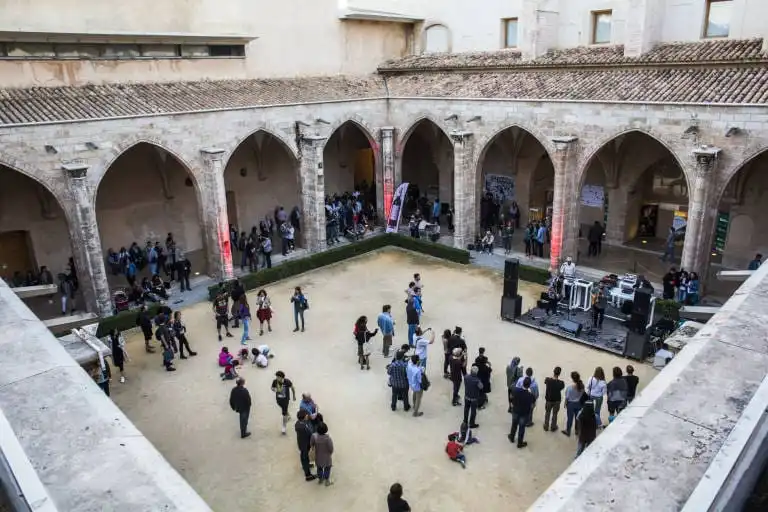
Opened in 1989, located in the former Convent of Our Lady of Carmen. This cultural center hosts contemporary art exhibitions, performances, and cultural events. It is a vibrant hub for modern artistic expression in Valencia.

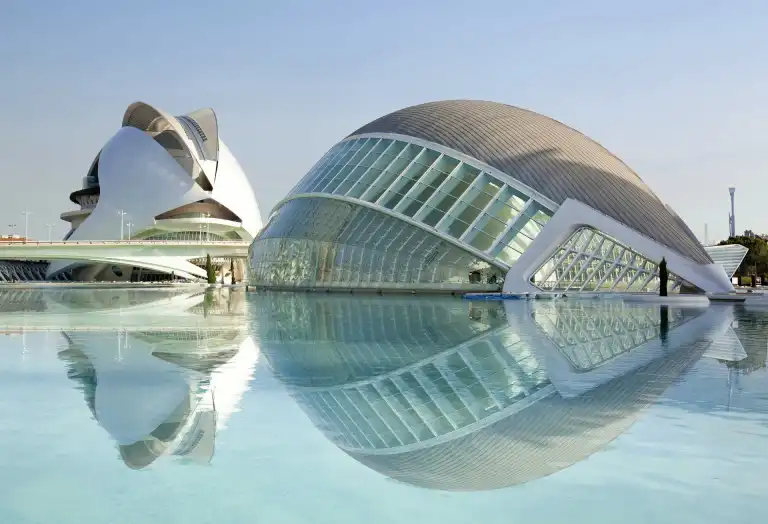
Opened in 1998, designed by Santiago Calatrava and Félix Candela, and located in the former riverbed of the Turia. This futuristic complex houses several museums, including the Science Museum and the Oceanografic. It offers interactive exhibits on science and technology, as well as Europe’s largest aquarium.

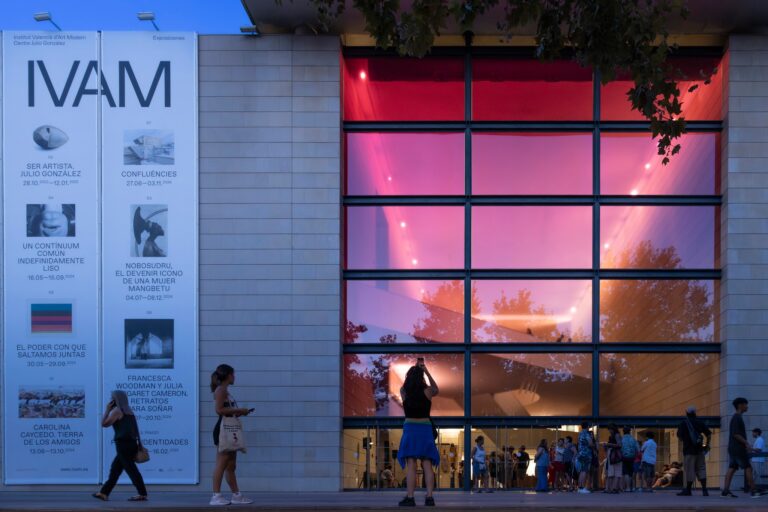
Opened in 1989, located in the Carmen neighborhood. IVAM is dedicated to modern and contemporary art, featuring works by artists such as Julio González and Ignacio Pinazo. The museum also hosts temporary exhibitions and cultural events.

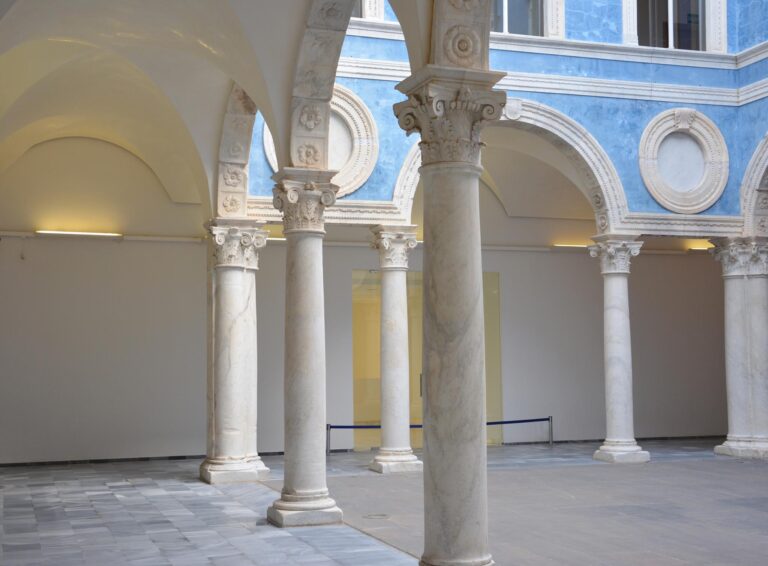
Opened in 1839, located in the former Colegio de San PÃo V. This fine arts museum features a significant collection of Spanish paintings, including works by El Greco, Goya, and Velázquez. It also houses a collection of Gothic altarpieces and sculptures.

Opened in 2003, located in the Palacio de Cervelló. This museum focuses on the urban history of Valencia, featuring exhibits on the city’s architecture, urban planning, and social evolution. It provides a comprehensive overview of Valencia’s development.

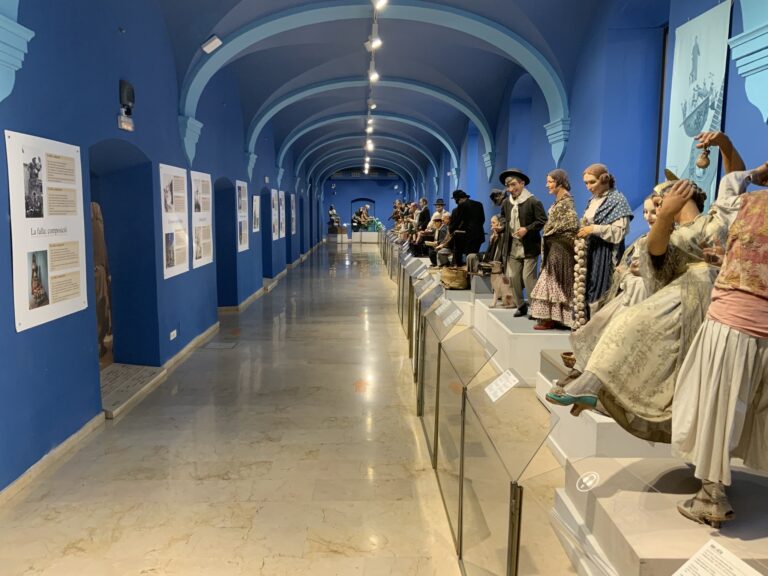
Opened in 1971, located in Monteolivete. This museum is dedicated to the history and tradition of the Fallas festival, featuring ninots (puppets) that have been saved from the flames over the years. It provides an insight into one of Valencia’s most important cultural events.

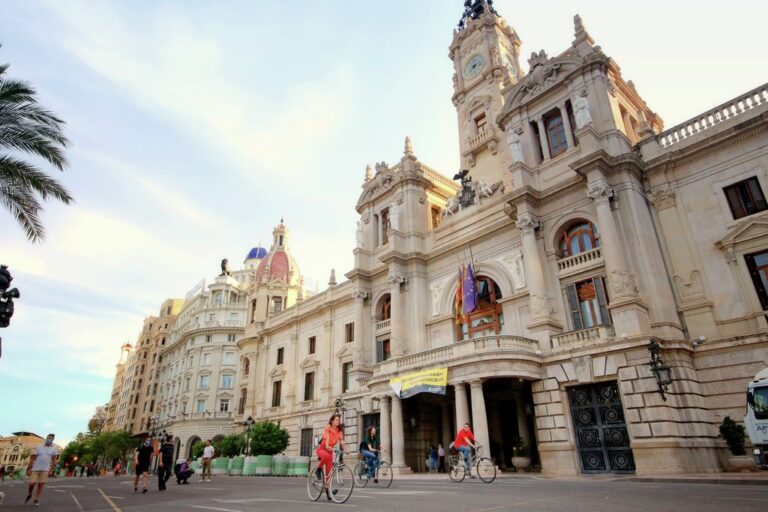
Opened in 1927, located in the Ayuntamiento de Valencia. This museum presents the history of the city’s government, featuring documents, artifacts, and artworks related to Valencia’s political and social history.

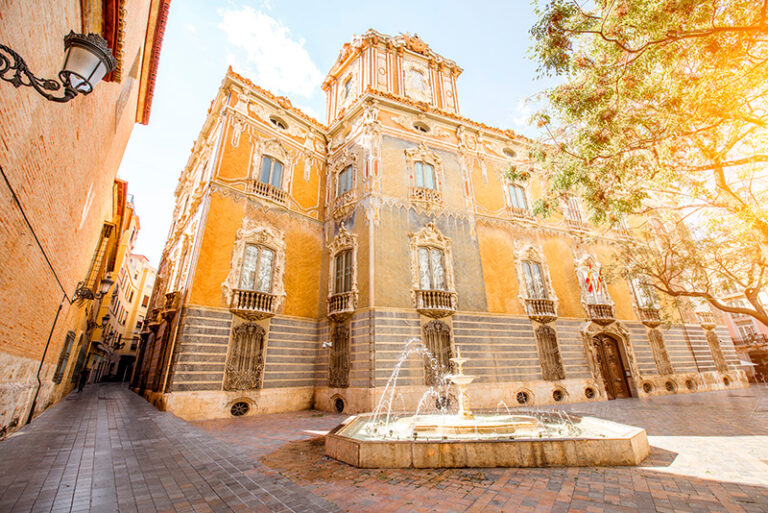
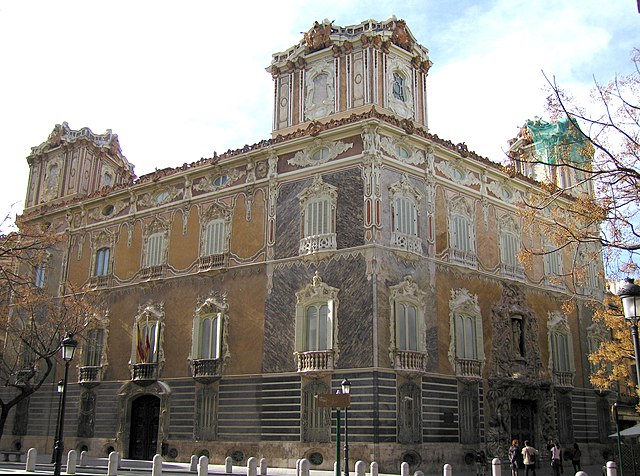
Opened in 1954, located in the Palacio del Marqués de Dos Aguas. This museum showcases a vast collection of ceramics, including pieces from prehistoric times to the present. It also features decorative arts, such as textiles, furniture, and jewelry.

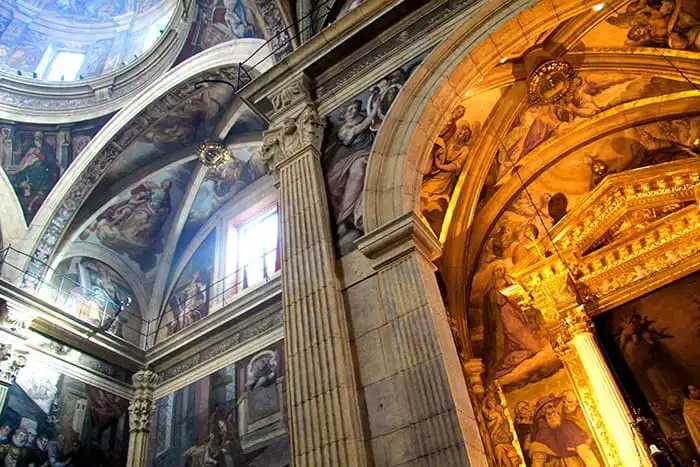
Opened in 1950, located in the Royal College of Corpus Christi. This museum features a collection of religious art, including paintings, sculptures, and manuscripts. Highlights include works by Caravaggio and El Greco.

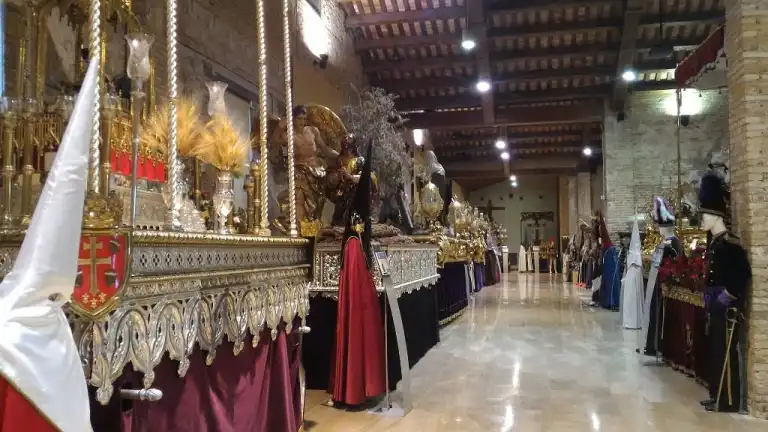
Opened in 2000, located in the Cabanyal district. This museum celebrates the Maritime Holy Week, featuring religious artifacts, costumes, and floats used in the processions. It provides an in-depth look at this important local tradition.

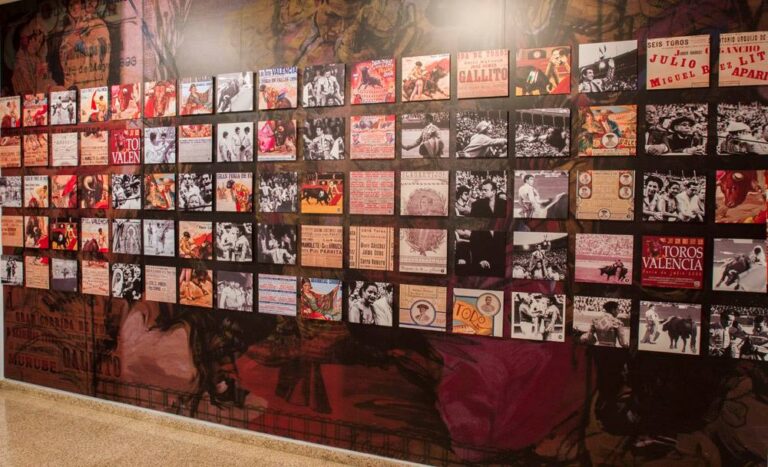
Opened in 1929, located next to the Plaza de Toros. This museum is dedicated to the history and culture of bullfighting in Valencia, featuring costumes, posters, and memorabilia. It offers insights into the traditional spectacle and its significance in Spanish culture.

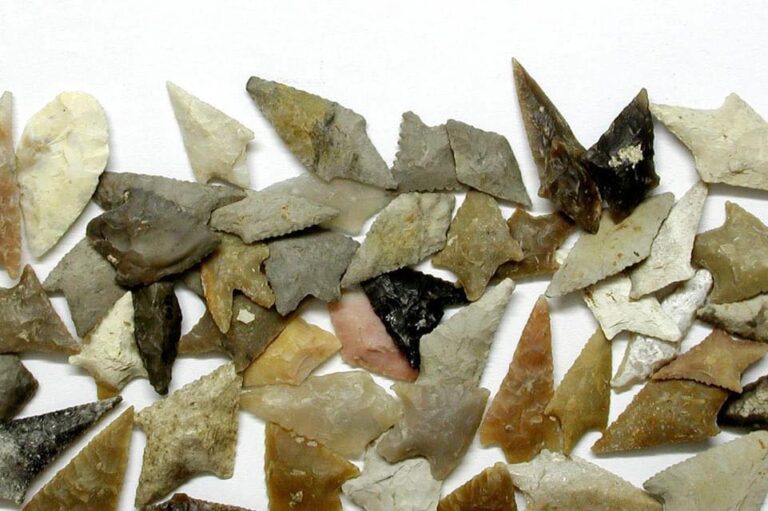
Opened in 1927, located in the former Convent of Carmen. This museum showcases prehistoric artifacts from the Valencian region, including Paleolithic, Neolithic, and Bronze Age items. Highlights include ancient tools, pottery, and skeletal remains.

Opened in 2001, designed by Guillermo Vázquez Consuegra, and located in the Carmen neighborhood. This museum focuses on the Enlightenment and modernity, featuring exhibits on the development of modern thought and technology. It offers interactive displays and multimedia installations.
Loading...
No Records Found
Sorry, no records were found. Please adjust your search criteria and try again.
Maps failed to load
Sorry, unable to load the Maps API.