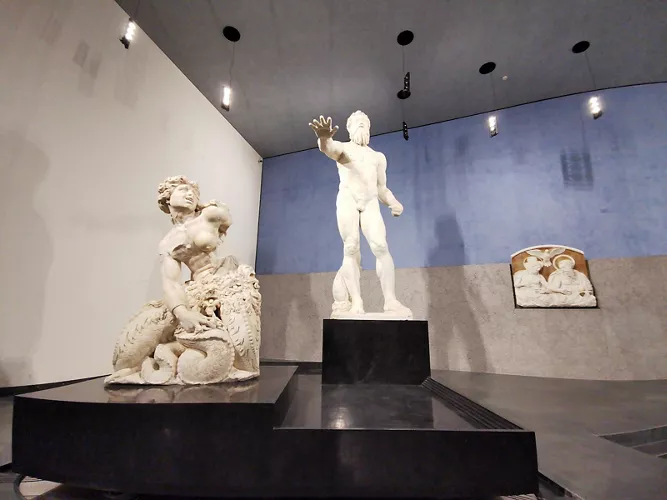
Established in 1967, located in Agrigento. Situated near the Valley of the Temples, this museum features artifacts from the ancient Greek city of Akragas, including pottery, statues, and architectural elements.

Opened in 2010, located in Avola. Dedicated to the almond, this museum explores the agricultural, cultural, and culinary significance of almonds in Sicily, featuring exhibits on almond cultivation and traditional recipes.

Established in 1995, located in Caltanissetta. This interdisciplinary museum features exhibits on archaeology, art, and natural history, with notable artifacts from the ancient Sicilian city of Gela.

Opened in 1934, located in Catania. Housed in the Ursino Castle, this museum showcases a collection of archaeological finds, medieval artifacts, and Renaissance art, offering insights into the history of Catania.

Opened in 1914, located in Messina. This museum houses a diverse collection of art and archaeological finds, including works by Caravaggio and Antonello da Messina, as well as artifacts from ancient Messina.

Established in 1823, located in Palermo. This archaeological museum features one of the most important collections in Italy, including artifacts from prehistoric to Roman times, with notable items like the Palermo Stone and Selinunte sculptures.

Established in 2008, located in Palermo. This unique museum features a stunning collection of Sicilian maiolica tiles, showcasing the island’s decorative art from the 15th to the 19th centuries.

Opened in 1954, located in Palermo. Housed in a Gothic-Catalan palace, this art museum displays a significant collection of medieval and Renaissance art, including the famous “Annunziata” by Antonello da Messina.

Opened in 1882, located in Syracuse. One of Italy’s most important archaeological museums, it houses extensive collections from prehistoric to Roman times, including artifacts from the ancient city of Syracuse.

Established in 1984, located in Terrasini. Focused on Sicilian folk culture, this museum features exhibits on traditional crafts, costumes, and maritime artifacts, highlighting the island’s rich cultural heritage.