Designed by Zaha Hadid, MAXXI is a national museum of contemporary art and architecture in the Flaminio neighborhood of Rome, Italy. The museum is managed by a foundation created by the Italian ministry of cultural heritage.

La Pelanda, a part of the Museum of Contemporary Art of Rome (MACRO), is located in Rome, Italy, and opened as an art space in 2010. Housed in a former slaughterhouse, La Pelanda focuses on contemporary and outsider art. The venue’s industrial architecture provides a stark and compelling backdrop for the unconventional works on display. Exhibits have included pieces by Italian and international self-taught artists, emphasizing the raw and visionary aspects of their creativity.

Opened in 1903, designed by Flaminio Ponzio, and located in the Villa Borghese gardens. The gallery showcases works by Caravaggio, Bernini, and Canova. Its exquisite collection spans from classical antiquities to Renaissance and Baroque masterpieces.

Opened in 1998, located near the Termini station. This branch of the National Roman Museum displays stunning classical sculptures, frescoes, and mosaics. Notable pieces include the Boxer at Rest and the frescoes from the Villa of Livia.

Opened in 1889, designed by Bartolomeo Ammannati, and located in the Villa Giulia. The museum focuses on the Etruscan civilization, featuring artifacts such as the Sarcophagus of the Spouses and exquisite terracotta statues. It provides a comprehensive look at pre-Roman Italy.

Opened in 1651, located in Palazzo Doria Pamphilj. The gallery contains a vast collection of Renaissance and Baroque art collected by the Doria Pamphilj family. Highlights include works by Velázquez, Titian, and Caravaggio, set within a beautifully preserved palazzo.

Opened in 1925, located in the historic Castel Sant’Angelo. This museum covers the building’s history from a Roman mausoleum to a papal fortress. Exhibits include Renaissance frescoes, military artifacts, and panoramic views of Rome.

Opened in 1889, located at various sites in Rome. The museum’s collections are divided among four locations, featuring ancient Roman sculptures, mosaics, and frescoes. Highlights include the Ludovisi Throne and the mummy of Grottarossa.

Opened in 1953, located in Palazzo Barberini. The gallery displays an impressive collection of Baroque and Renaissance paintings, including masterpieces by Caravaggio, Raphael, and Holbein. The building itself is a fine example of Baroque architecture.

Opened in 1997, located near Piazza Navona. Part of the National Roman Museum, it houses classical sculptures from important Roman collections. Highlights include the Ludovisi Gaul and the Grande Ludovisi Sarcophagus.

Opened in 1997, located in an old power plant in the Ostiense district. The museum juxtaposes classical sculptures with industrial machinery, creating a unique setting for ancient Roman art. The collection includes statues, mosaics, and funerary art.

Opened in 1883, located in Villa Borghese. The gallery features an extensive collection of 19th and 20th-century Italian art, including works by artists such as Canova, Balla, and Boccioni. It provides a comprehensive overview of modern and contemporary art in Italy.

Opened in 1930, located in Palazzo Braschi. The museum offers a detailed history of Rome from the Middle Ages to the 20th century through paintings, photographs, and artifacts. Highlights include views of Rome by notable artists and historical documents.

Opened in 2006, designed by Richard Meier, and located near the Tiber River. The museum houses the Ara Pacis Augustae, an ancient Roman altar dedicated to Pax, the goddess of peace. Its modern building provides a striking contrast to the historic monument.

Opened in 1990, located in Porta San Sebastiano. This museum is dedicated to the Aurelian Walls, Rome’s ancient defensive walls. Visitors can explore the history of the walls and enjoy panoramic views of the city from the towers.

Opened in 1948, located in Palazzo Barracco. The museum features a collection of ancient sculptures donated by Giovanni Barracco, including Egyptian, Assyrian, Greek, and Roman pieces. Its exhibits highlight the diversity and richness of ancient art.

Opened in 1977, located in the Trastevere district. The museum focuses on the folk traditions and daily life of Rome from the 18th to the 20th centuries. Its exhibits include paintings, photographs, and reconstructions of historical scenes.

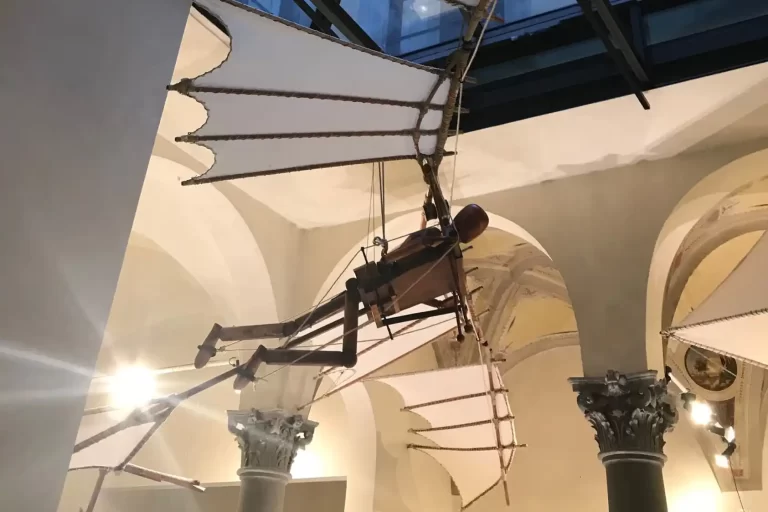
Opened in 2004, located near the Cathedral of Santa Maria del Fiore. This museum is dedicated to the inventions and works of Leonardo da Vinci, featuring models of his machines, interactive exhibits, and replicas of his famous drawings.