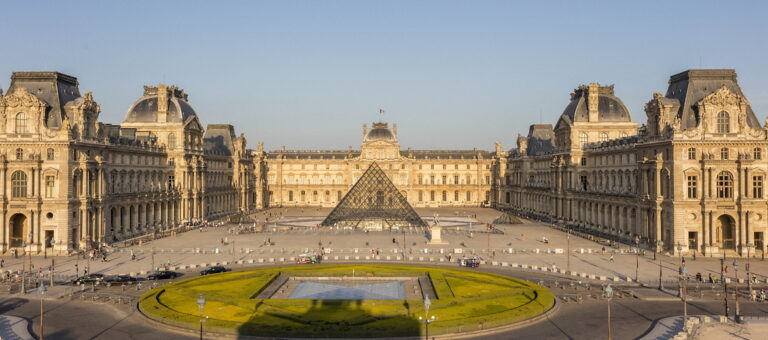
The Louvre, or the Louvre Museum, is a national art museum in Paris, France. It is located on the Right Bank of the Seine in the city’s 1st arrondissement and home to some of the most canonical works of Western art, including the Mona Lisa and the Venus de Milo.
The Musée d’Orsay focuses on art from 1848 to 1914 and houses the world’s most extensive Impressionist art collection. The building is its own work of art: a former train station built in the Beaux Arts style, which opened for the 1900 Universal Exhibition.

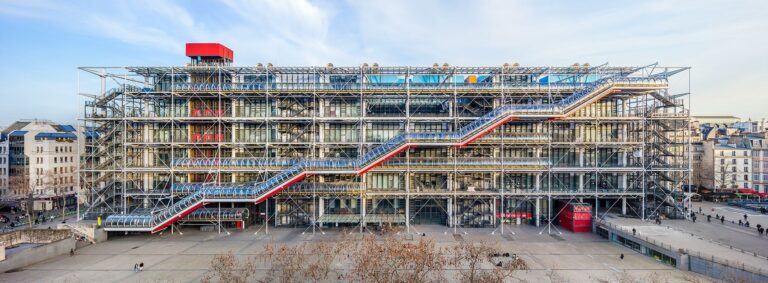
In 1969, President Georges Pompidou decided to provide France with a venue like no other: a centre for art and culture capable of housing both the National Museum of Modern and Contemporary Art, with an international dimension, a large public library (the future Bpi), a centre for industrial creation and a centre for musical research and creation (Ircam), all together in one and the same building situated in the heart of the capital.

Palais Galliera is dedicated to the City of Paris Fashion Museum in Paris, France. It features garments, accessories, and textiles from designers like Chanel and Dior, highlighting French fashion heritage.

In Paris, France, the Yves Saint Laurent Museum honors the iconic designer. Designed by Studio KO and opened in 2017, it features Saint Laurent’s haute couture collections and sketches, highlighting his enduring influence on fashion.

Located in Paris, France, the Musée des Arts Forains is dedicated to carnival and fairground arts. Housed in a former wine warehouse, the museum features whimsical, interactive exhibits designed to evoke the magic of 19th-century amusement parks. Visitors can explore vintage carousels, mechanical music instruments, and theatrical performances.

The Fondation Louis Vuitton, located in Paris, France, opened on October 20, 2014. Gehry’s design for this contemporary art museum resembles a futuristic sailing vessel, with glass sails that catch the light and create a sense of movement. The museum’s architecture itself is a work of art, integrating harmoniously with its surroundings in the Bois de Boulogne park.

The Muséum National d’Histoire Naturelle, located in Paris, France, was founded in 1793 during the French Revolution. The museum’s main building, the Grande Galerie de l’Évolution, was designed by architect Louis-Jules André and opened in 1889. The museum houses a vast collection of specimens, including fossils, minerals, and plant and animal specimens. Notable exhibits include the Gallery of Palaeontology and Comparative Anatomy and the Menagerie, one of the world’s oldest zoos.

Opened in 1986, housed in the former Gare d’Orsay railway station. This museum is renowned for its impressive collection of Impressionist and Post-Impressionist masterpieces by artists such as Monet, Van Gogh, Degas, and Renoir. The museum also features sculpture, photography, and decorative arts.

Opened in 1919, located in the Hôtel Biron. This museum is dedicated to the works of French sculptor Auguste Rodin, showcasing his famous pieces such as The Thinker, The Kiss, and The Gates of Hell. The museum’s beautiful gardens also display many of his sculptures.

Opened in 1927, located in the Tuileries Garden. The museum is best known for housing Monet’s large-scale Water Lilies murals. It also features the Walter-Guillaume Collection, which includes works by Cézanne, Matisse, and Picasso.

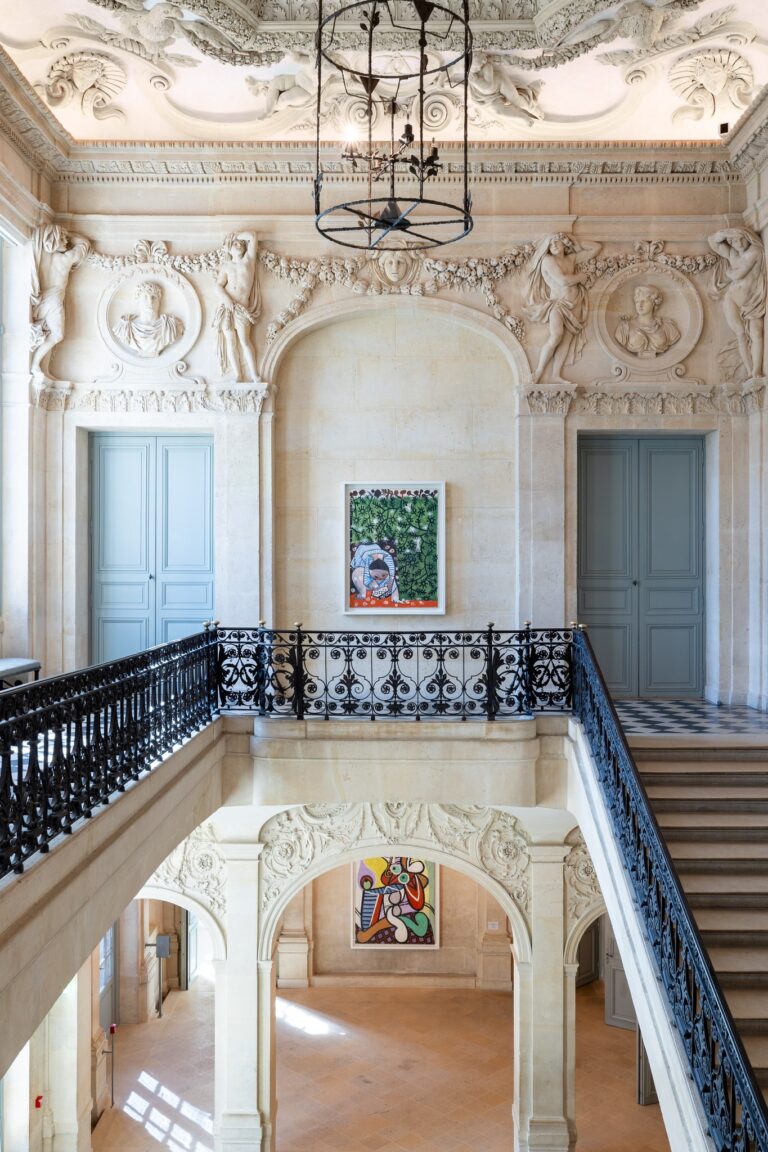
Opened in 1985, housed in the Hôtel Salé. This museum is dedicated to the works of Pablo Picasso, featuring over 5,000 pieces, including paintings, sculptures, and ceramics. The collection spans his entire career, offering a comprehensive look at his artistic evolution.

Opened in 2006, designed by Jean Nouvel, located near the Eiffel Tower. This museum focuses on non-European art and cultures, with a vast collection of artifacts from Africa, Asia, Oceania, and the Americas. The museum also hosts temporary exhibitions and cultural events.

Opened in 1900, located on Avenue Winston Churchill. The museum features a diverse collection of fine arts, including paintings, sculptures, and decorative arts from antiquity to the early 20th century. Highlights include works by Delacroix, Courbet, and Rodin.

Opened in 1934, located in the 16th arrondissement. This museum houses the largest collection of Monet’s works, including the famous painting Impression, Sunrise. It also features works by other Impressionists such as Morisot and Renoir.

Opened in 1843, located in the historic Cluny Abbey. This museum is dedicated to the art and history of the Middle Ages, featuring medieval sculptures, tapestries, and artifacts. The highlight is the famous tapestry series The Lady and the Unicorn.

Opened in 1913, located in a 19th-century mansion on Boulevard Haussmann. The museum features an impressive collection of European art, including works by Rembrandt, Botticelli, and Fragonard. The mansion’s opulent interiors add to the museum’s charm.
Loading...
No Records Found
Sorry, no records were found. Please adjust your search criteria and try again.
Maps failed to load
Sorry, unable to load the Maps API.