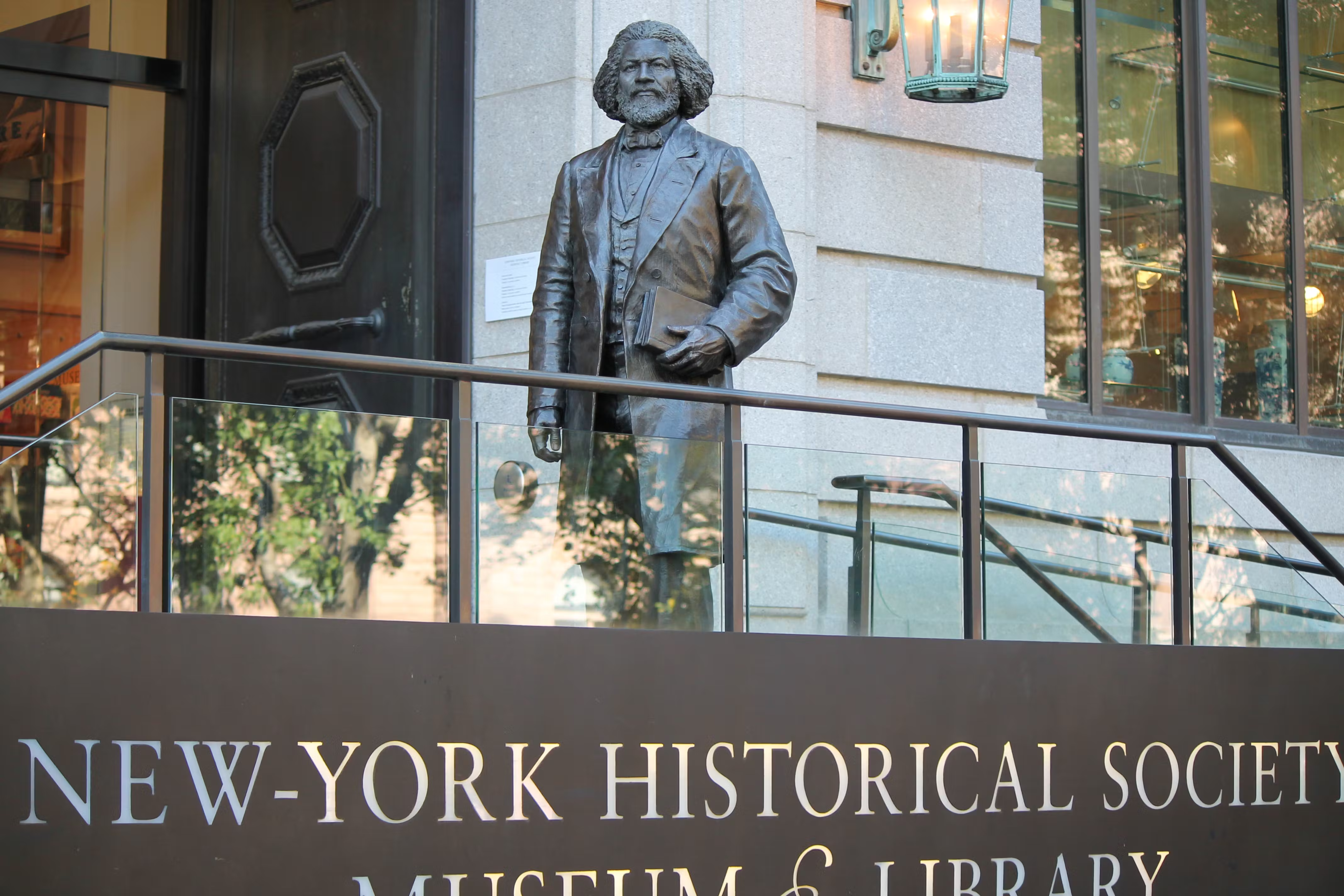
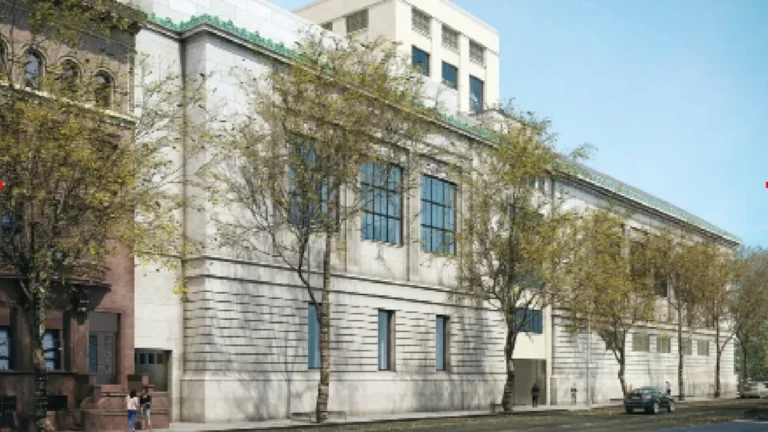
Opened in 2017, located on the Upper West Side. This center within the New-York Historical Society is dedicated to women’s history, featuring exhibitions and public programs.
Expanded in 2014, located in Downtown Brooklyn. The museum showcases the history of New York City’s public transportation system, with interactive exhibits and vintage subway cars.
Expanded in 2005, located in the East Village. The museum features exhibitions on Ukrainian art, history, and culture, providing a comprehensive view of the Ukrainian-American experience.
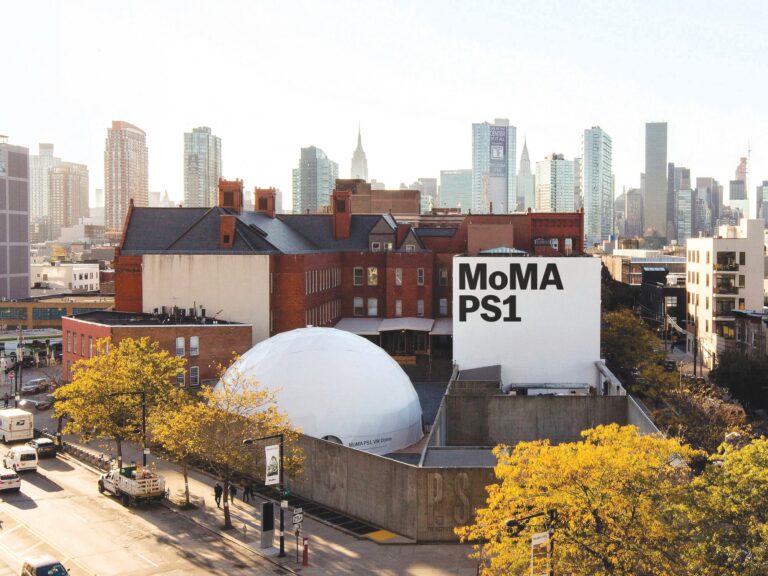
Artist-centered and community-driven, MoMA PS1 embraces boundary-breaking ideas and experimental practices. A place where audiences can encounter and engage with new art and perspectives, the institution has offered insight into artists’ worldviews for nearly 50 years. Driven by a commitment to realizing artists’ visions, our programs explore the ways in which creative expression can inspire connection.
Reopened in 2014, located on the Upper East Side. The renovation includes new interactive galleries and digital tools for exploring design and innovation.
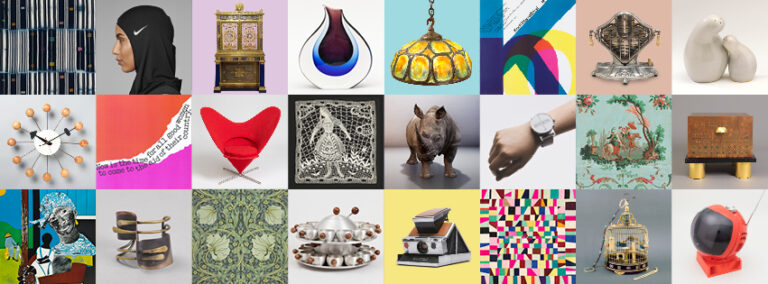
The Cooper Hewitt, Smithsonian Design Library is the major resource in the United States for books, trade catalogs, serials, pictures, and archival material covering design and decorative art from the Renaissance to the present.
Expanded in 2019, located in the Financial District. The expansion includes new exhibition spaces and educational facilities for showcasing Native American art and culture.
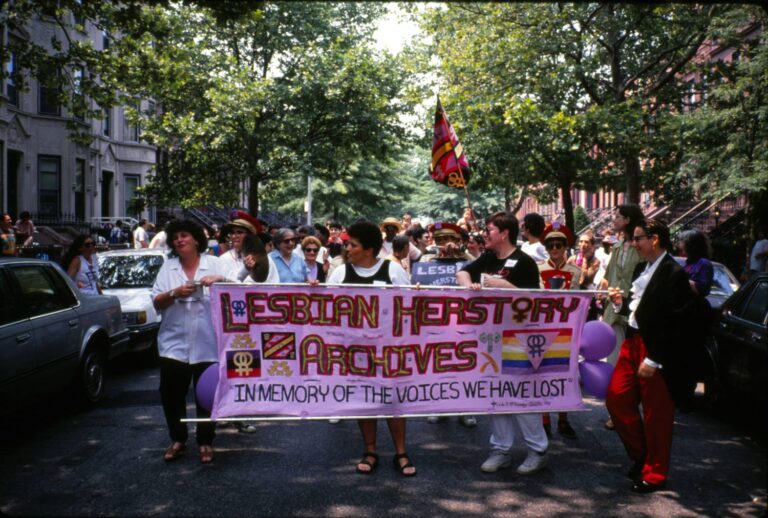
We founded The Lesbian Herstory Archives in the 1970s when a group of women involved in the Gay Academic Union realized that Lesbian history was “disappearing as quickly as it was being made.” Our mission is to gather and preserve records of Lesbian lives and activities so that future generations will have ready access to materials relevant to their lives.
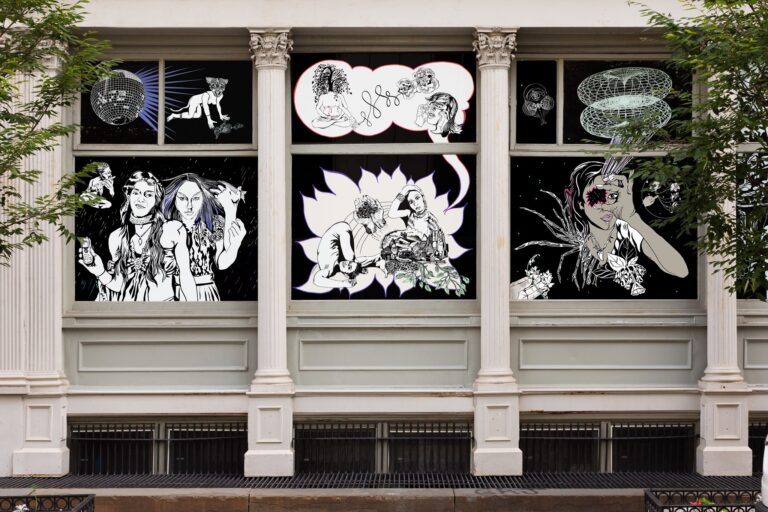
The Leslie-Lohman Museum of Art was created by our founders to preserve LGBTQIA+ identity and build community. Our roots trace back to 1969, when Charles Leslie and Fritz Lohman held an exhibit of gay artists for the first time in their SoHo loft. Throughout the 1970s, they continued to collect and exhibit gay artists while supporting the SoHo art community. During the height of the AIDS pandemic, the collection continued to grow as they rescued the work of dying artists from families who, out of shame or ignorance, wanted to destroy it. This led to the formation of the Leslie-Lohman Gay Art Foundation in 1987. In recognition of its importance in the collection and preservation of LGBTQIA+ history, the organization was accredited as a museum in 2016. Through exhibitions, public programs, publications, and its collections and library, the Museum examines the interrelationship of art and social justice in ways that provoke thought and dialogue.
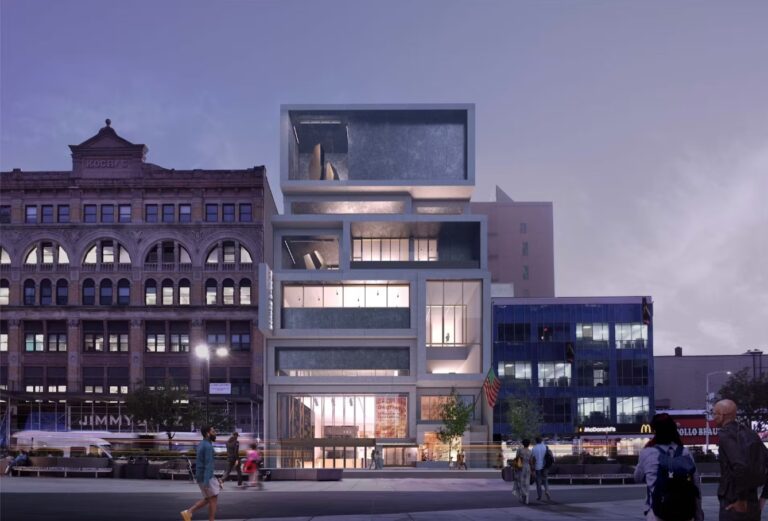
Set to open in fall 2025, this new building will serve as a hub for African-American art and culture with a dynamic facade and state-of-the-art exhibition spaces.
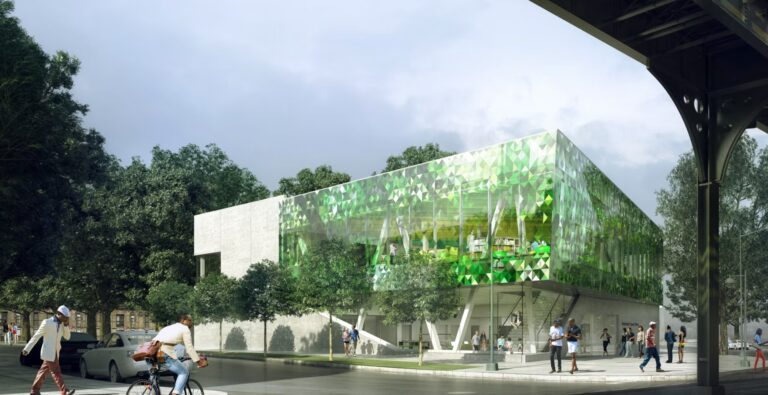
Designed by Snøhetta, this 12,000-square-foot library aims to be an example of environmental efficiency, featuring a prismatic reading room and a green façade inspired by the Bronx’s tree canopies.
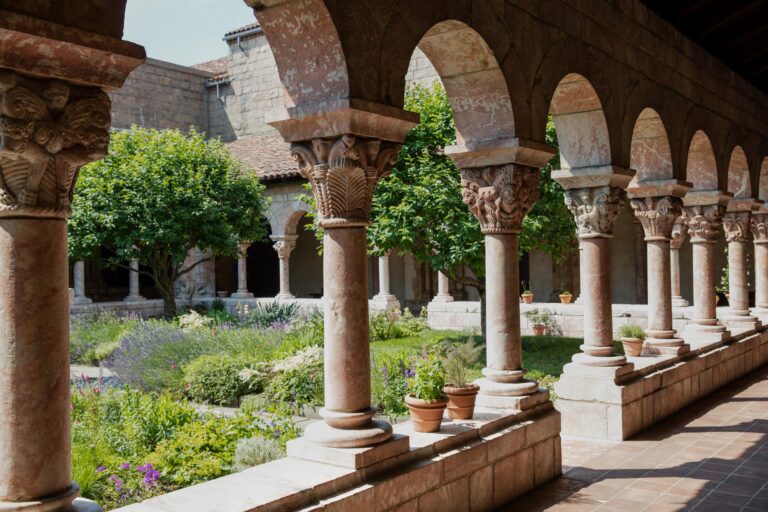
The Met Cloisters, which opened to the public in 1938, is the branch of The Metropolitan Museum of Art devoted to the art and architecture of medieval Europe. Located in Fort Tryon Park in northern Manhattan, on a spectacular four-acre lot overlooking the Hudson River, the modern museum building is not a copy of any specific medieval structure but is rather an ensemble informed by a selection of historical precedents, with a deliberate combination of ecclesiastical and secular spaces arranged in chronological order. Elements from medieval cloisters—Saint-Michel-de-Cuxa, Saint-Guilhem-le-Désert, Trie-sur-Baïse, Froville, and elements once thought to have come from Bonnefont-en-Comminges—and from other sites in Europe have been incorporated into the fabric of the building.
Loading...
No Records Found
Sorry, no records were found. Please adjust your search criteria and try again.
We use cookies to ensure that we give you the best experience on our website. If you continue to use this site we will assume that you are happy with it.Ok