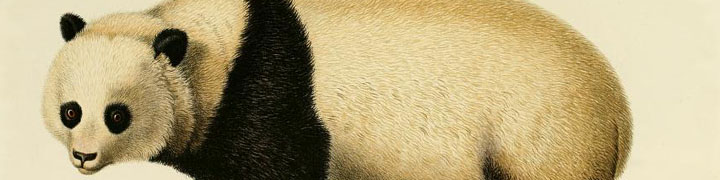
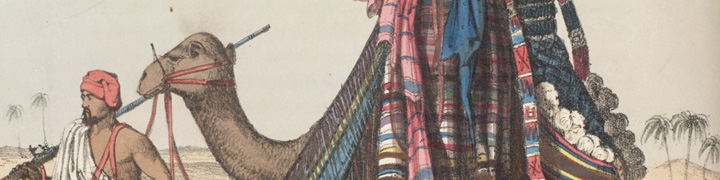
The Cullman Library holds the Smithsonian’s collection of rare books in anthropology and the natural sciences. Its world-class collection contains approximately 20,000 volumes published before 1840 in the fields of physical and cultural anthropology, ethnology, Native American linguistics, and archeology; botany; ornithology, mammalogy, herpetology, ichthyology, entomology, malacology, and other zoological fields; paleontology; and geology and mineralogy.

The library is devoted to collecting and providing access to resources that support scholarship in African American history, culture, and the African Diaspora. The Library also supports research in genealogy and family history.

As a premier American history collection and one of 21 libraries in the Smithsonian library system, the library supports research in the following areas: all areas of American history, including social, cultural, political, and economic events and development, along with their impact on everyday American life; advances in technology, including machinery and transportation; and scientific and medical history.

xThe National Museum of Asian Art Library originated as a collection of four thousand monographs, periodical issues, offprints, and sales catalogues that art collector Charles Lang Freer donated to the Smithsonian Institution as part of his gift to the nation.

The National Museum of Natural History (NMNH) Library consists of the main location (on the 1st floor and basement of the NMNH’s East Court) and 11 specialized collections throughout the NMNH building. These collections are in the NMNH Entomology, Invertebrate Zoology, Vertebrate Zoology, Mineral Sciences, and Paleobiology departments. The NMNH Main Library and its satellite locations all have strong collections of 19th- and 20th-century literature (thanks in part to the gifts of early Smithsonian curators). Pre-1840 titles are accessible in the Joseph F. Cullman 3rd Library of Natural History, part of the Special Collections Department, SIL.

Your philatelic adventure starts here. The Smithsonian’s National Postal Museum houses one of the largest and most significant philatelic and postal history collections in the world and one of the world’s most comprehensive library resources on philately and postal history. The Library has one of the world’s largest and most accessible collections of philatelic literature. The National Postal Museum is dedicated to the preservation, study and presentation of postal history and philately through stamps and objects. The Library supports the museum’s mission: Through the preservation and interpretation of our postal and philatelic collections, the Smithsonian National Postal Museum educates, challenges, and inspires its audiences on the breadth of American experiences.

The evolution of the Libraries’ outreach at the Smithsonian’s National Zoological Park (NZP) and Conservation Biology Institute (SCBI) reflects how profoundly American zoos have changed in the last 50 years. What used to be called wildlife management is now conservation biology, and the traditional study of animals based on physical characteristics has evolved into an investigation based on genetic distinctiveness. As the care and study of wild animals become increasingly sophisticated, the Libraries’ expanding collections and evolving services are more critically needed than ever before.

This archive collects and preserves documents and records related to the history of the visual arts in the United States.

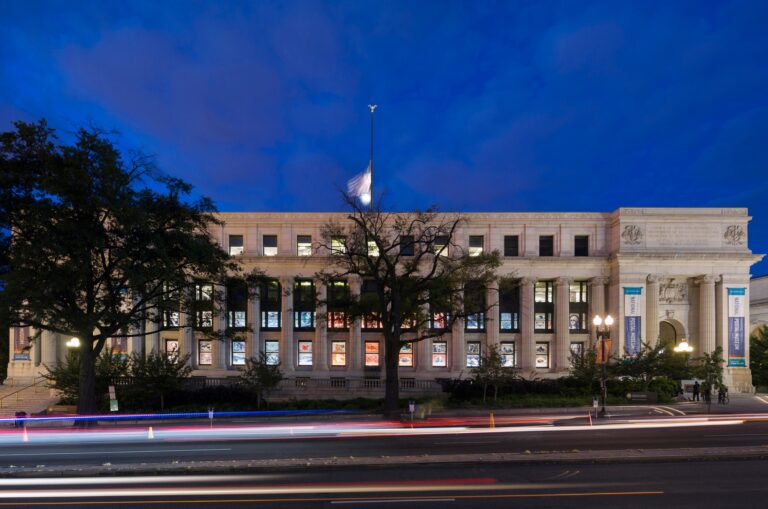
The official repository for the history of the Smithsonian, including administrative records, personal papers of scientists, and historical photographs.

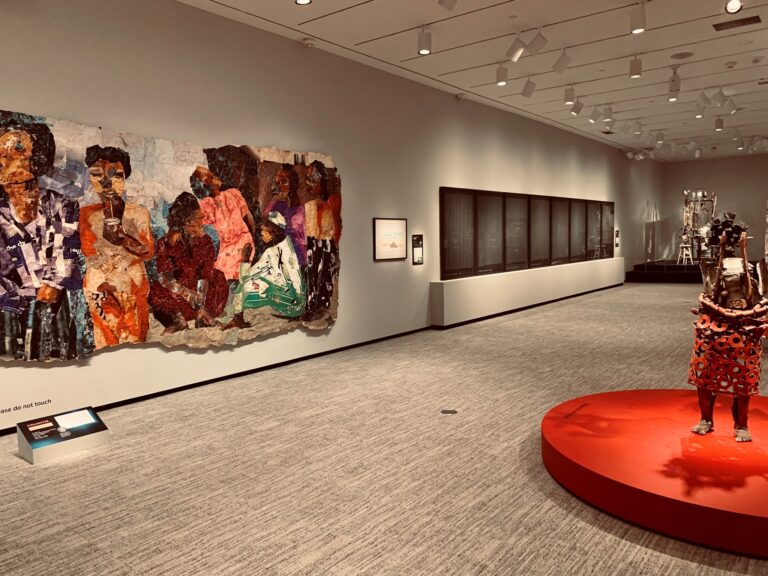
The Warren M. Robbins Library at the National Museum of African Art, founded in 1971, is the major resource center in the United States for the research and study of the visual arts of Africa. Its collection of more than 50,000 volumes covers all aspects of African visual arts, including sculpture, painting, printmaking, pottery, textiles, crafts, popular culture, photography, architecture, rock art, and archaeology. The African Art Library has significant supporting collections of African ethnography, musicology, performing arts, theater, cinema, oral traditions, religion, creative writing, and arts in the African Diaspora as well as general information on the history of African countries. The African Art Library has around 5,000 artists’ files on contemporary African artists and on topics relating to African art, culture and history. It also has small collections of artists’ books, videos, posters, and maps.

This museum is dedicated to the collection, exhibition, conservation, and study of the arts of Africa.

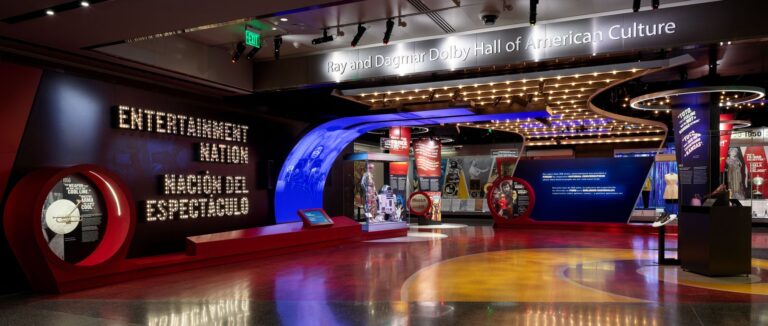
Located on the National Mall in Washington, D.C., this museum houses artifacts that reflect the social, political, cultural, scientific, and military history of the United States.

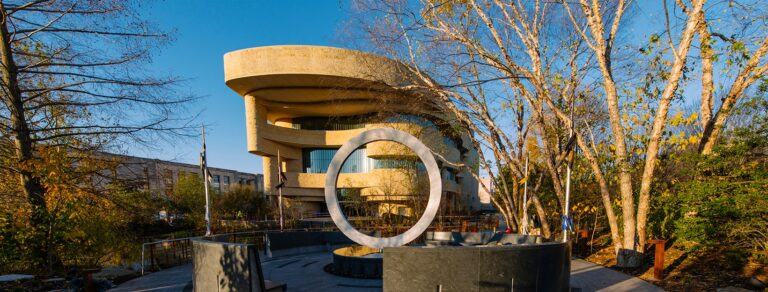
A diverse and multifaceted cultural and educational enterprise, the National Museum of the American Indian (NMAI) is an active and visible component of the Smithsonian Institution, the world’s largest museum complex. The NMAI cares for one of the world’s most expansive collections of Native artifacts, including objects, photographs, archives, and media covering the entire Western Hemisphere, from the Arctic Circle to Tierra del Fuego.
The National Museum of the American Indian operates three facilities. The museum on the National Mall in Washington, DC, offers exhibition galleries and spaces for performances, lectures and symposia, research, and education. The George Gustav Heye Center (GGHC) in New York City houses exhibitions, research, educational activities, and performing arts programs. The Cultural Resources Center (CRC) in Suitland, Maryland, houses the museum’s collections as well as the conservation, repatriation, and digital imaging programs, and research facilities. The NMAI’s off-site outreach efforts, often referred to as the “fourth museum,” include websites, traveling exhibitions, and community programs.
Since the passage of its enabling legislation in 1989 (amended in 1996), the NMAI has been steadfastly committed to bringing Native voices to what the museum writes and presents, whether on-site at one of the three NMAI venues, through the museum’s publications, or via the Internet. The NMAI is also dedicated to acting as a resource for the hemisphere’s Native communities and to serving the greater public as an honest and thoughtful conduit to Native cultures—present and past—in all their richness, depth, and diversity.
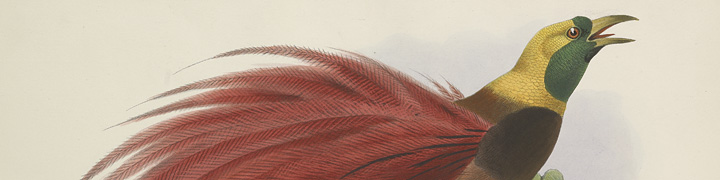
The National Museum of Asian Art features Asian art and culture from ancient times to the present.

Through the preservation and interpretation of our postal and philatelic collections, the Smithsonian National Postal Museum educates, challenges, and inspires its audiences on the breadth of American experiences.

Located in Washington, D.C., the zoo focuses on animal care, science, education, and sustainability.

The Smithsonian Asian Pacific American Center brings history, art and culture to you through innovative museum experiences and digital initiatives.

Part of the National Zoo, SCBI focuses on animal care, science, education, and sustainability.
Loading...
No Records Found
Sorry, no records were found. Please adjust your search criteria and try again.
Maps failed to load
Sorry, unable to load the Maps API.